Old House / Apartment Building for Sale: Renovation backlog, vacancy, dilapidated – what to do?
Selling an old Apartment building — this is one of the most complex tasks in real estate sales. Renovation backlog, vacancies, structurally unsound buildings: Many owners underestimate how valuable their property is nonetheless. As a real estate agent, I regularly accompany such sales and one thing is always true:
No house is unsellable — there is only the wrong price.
In this guide, you will learn how the rating works, which buyers are suitable and why the Off-Market route for old apartment buildings is almost always faster.
Old house: What is it still worth?
The most important question when selling a house is the realistic asking price. With old real estate, the classic housing market rating often falls short — because buyers calculate differently here.
The three rating methods at a glance
Depending on the property type and usage, the appraisal committee uses different methods:
- Comparison method — for single-family homes and condominiums with good data availability
- Replacement cost method — for owner-occupied homes without sufficient comparative data
- Income approach — mandatory for multi-family homes and rental properties
With the income approach, the annual gross income (cold rent × 12) is multiplied by the property yield. According to the appraisal committee’s standard land value committee, the property yield for older multi-family homes varies between 3.5% and 6% depending on location.
Backlog of renovations: What is deducted?
Renovation needs directly reduce the asking price. Rule of thumb according to the latest construction cost indices (Federal Statistical Office, Destatis 2024): core renovation costs between 800 and 2,000 euros per square meter of living space, depending on the year of construction and region.
- Roof renovation: 150–350 €/m² roof area
- Facade insulation (WDVS): 100–200 €/m² exterior area
- Heating system replacement (heat pump): 20,000–50,000 € depending on size
- Window replacement: 500–1,200 € per window
- Electrical installation renewal: 80–150 €/m² living area
A MFH with 600 m² living area and requiring a core renovation can mean a deduction of 600,000 to 1,200,000 € — this is the investor’s required investment and must be reflected in the purchase price.
Who buys old houses and multi-family homes?
The buyer groups differ significantly depending on the property size:
- Tradespeople/owner-occupiers — single-family homes up to approximately 400,000 € purchase price, including self-performed work
- Local investors — multi-family homes up to 15–20 residential units, often long-term holders
- Family Offices / Funds — from 20 residential units, regional or beyond, require a return of at least 4–5%
- Development companies — if the plot has redevelopment potential (demolition + new construction)

Process: Selling an old house / multi-family house in 3 phases
Phase 1 — Preparation
- Financial planning and determining the selling time
- Hire a real estate agent (especially important for renovation objects)
- Compile documents — land register, energy certificate, rental agreements, building permits
- Determine the asking price — professional property valuation is always essential for older MFHs
Phase 2 — Marketing
- Define the marketing strategy (Off Market vs. Portal)
- Qualify potential buyers — Credit check and proof of financing
- Schedule viewings
Phase 3 — Execution
- Draft the purchase contract with the notary
- Land Registry entry and payment processing
- Handover with protocol


Off-Market Sale: Why it’s the better choice for older apartment buildings
Listing an old apartment building on Immoscout24 not only costs money — it costs time and attracts the wrong kind of buyers. Institutional buyers, family offices and regional project developers don’t look on portals, but buy through direct networks.
As an off-market real estate agent, I specifically approach investors with a matching purchase profile. The advantage: financing documents are available, and the sale is completed within 4–8 weeks.
Advantages of the off-market sale at a glance
- Discreet and anonymous — no public listing, no neighbor conversations
- Faster sale — no monthly portal operation
- Targeted investor outreach — only solvent buyers with purchase profiles
- Potentially higher purchase price through direct investor access
- Less effort — no 100 emails, no unqualified viewings


Empty units, renovation backlog, structurally unsound: Still sell?
Empty units: Risk for buyers, opportunity in purchase price
Empty units mean rental income loss and costs for the buyer — but also the opportunity to re-let at current market rents. In growing regions (big cities, urban fringes), this argument is quite attractive for institutional investors.
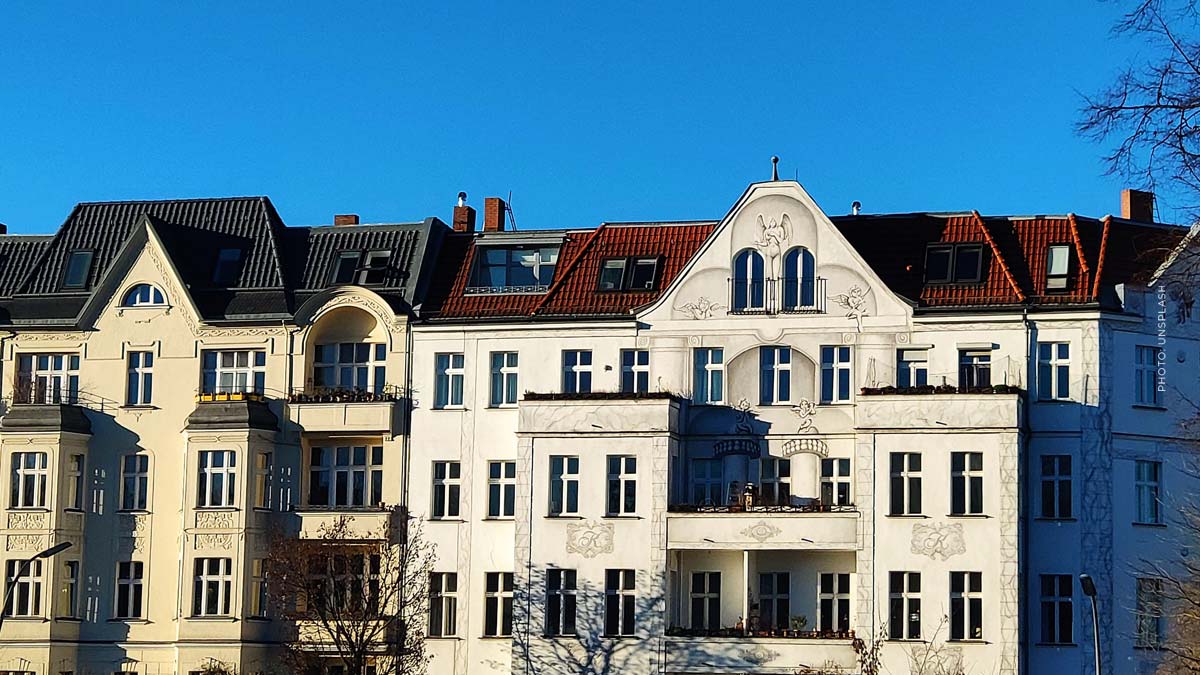
An empty old building in Berlin-Prenzlauer Berg is more valuable for a project developer than a fully rented multi-family house with protected rents from the 1980s.
Structurally Unsuitable: Demolition and New Construction as an Option
For objects in need of extensive renovation, it’s worth checking whether the plot is suitable for demolition and new construction. Key factors:
- Plot size and buildability according to the Building Code
- Plot ratio (GRZ) and floor area ratio (GFZ)
- Monument protection — crucial for demolition permission
- Land value according to the standard land value map (BORIS)
Renovate or sell? The return calculation
The decision depends on your equity and time horizon. Simple calculation:
- Option A — Sell now: Purchase price minus renovation deduction realized immediately
- Option B — Renovate + Sell: Renovation costs + 18–36 months construction time + risk of cost overruns
- Option C — Renovate + Hold + Rent out: Long-term wealth building, but capital tied up
As a real estate agent, I recommend Option A in most cases — sell now, professionally accompanied. Few private sellers have the network and capital to efficiently carry out a renovation.
Taxes when selling the old house
Speculation tax: observe the 10-year rule
If you have owned the property for less than 10 years, the personal income tax rate applies to the gain from the sale (speculation tax). Exceptions apply in the following cases:
- Own use in the last 2 years before the sale (self-user privilege)
- Expiry of the 10-year period
- Heirship (the deceased’s period of ownership is counted)
Depreciation and depreciation allowance (AfA)
If you held the MFH in the business assets or for rental purposes, depreciation (AfA) is relevant for the price allocation. The difference between the book value and the purchase price is taxable. Coordination with your tax advisor is mandatory.
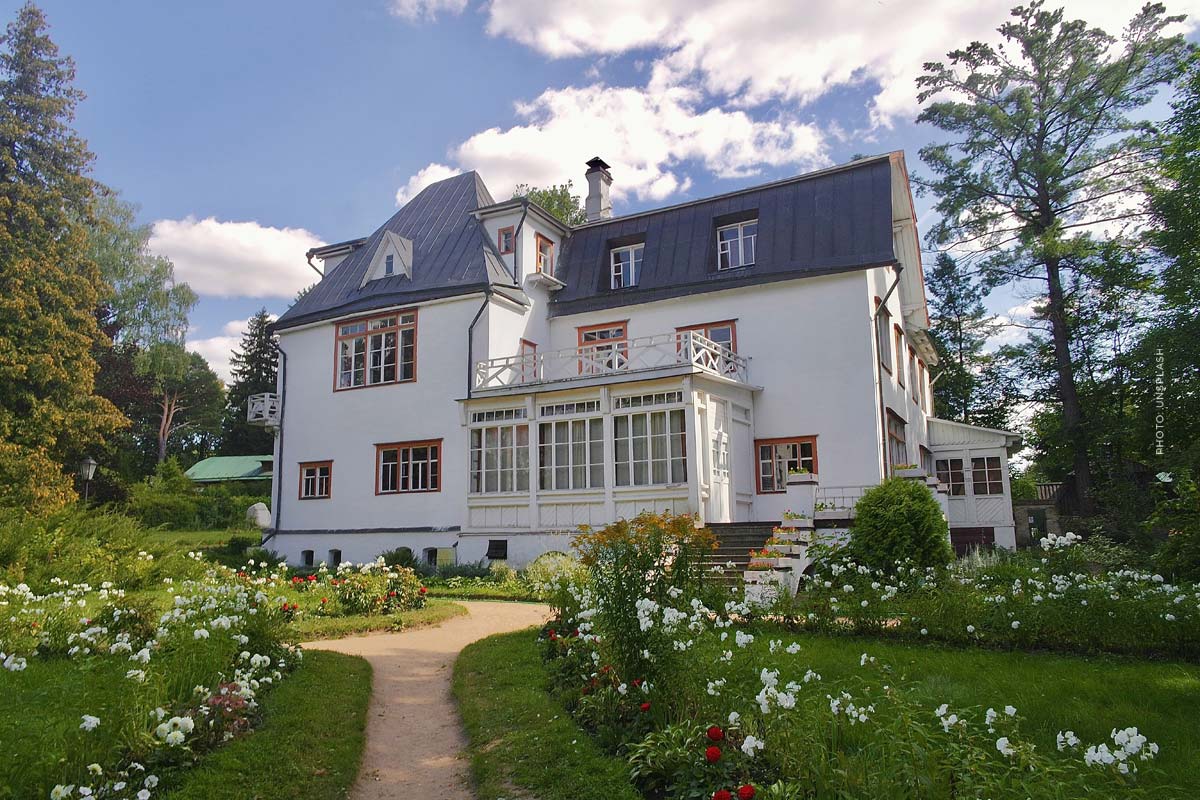
Selling an old castle, palace or estate
Historic objects follow their own rules. Heritage protection can prevent demolition, but offers special tax deductions (§ 7h and 7i EStG) for the buyer — a selling point when dealing with institutional investors and affluent private individuals.
- Heritage protection: What applies?
- Check conversion into residential/commercial use
- Funding: KfW, State Monument Authority
Contact us now for a non-binding inquiry
Stephan M. Czaja (Lukinski)With renovation backlog, vacancy or structurally damaged buildings — feel free to contact us for a non-binding initial assessment. I will check whether I can directly approach a suitable buyer from our Off-Market network.
Frequently asked questions about selling your old house
Is it worth renovating an old house before selling it?
In most cases no. Renovation costs can rarely be fully passed on to the purchase price. Buyers who want to renovate have their own ideas and prefer an unrenovated property at a lower price. Exception: small cosmetic repairs that significantly increase the property’s appeal.
How long does the sale of an old apartment building take?
In the off-market segment with institutional buyers: 4–12 weeks from the first meeting to the notary appointment. With portal marketing and private buyer audience: 3–9 months. The decisive factor is the quality of the buyer network of the real estate agent.
Can I sell an old house with debts?
Yes — existing land charges (mortgage, land charge) are either redeemed or taken over by the buyer at the notary appointment. The purchase price must cover the remaining debt; the surplus goes to you.
What is renovation backlog when selling a house?
Rentention backlog refers to the accumulated repair and modernization needs that have built up over the years. It directly reduces the market value, as the buyer factors in these costs. Typical items: outdated heating system, leaking roof, missing insulation, outdated electrical system.

Sell a villa in Düsseldorf: Prices, real estate agent, checklist + buyer waiting list
Sell a villa in Düsseldorf: Prices, real estate agent, checklist + buyer waiting list
Student Housing: Buy, rent, make money in university & college locations

Lukinski Rating Germany: Investment Property - City List

Selling an apartment building in Munich: What is important? Steps, taxes, estate agent

Share deal in real estate: sell company "instead" of property - save taxes