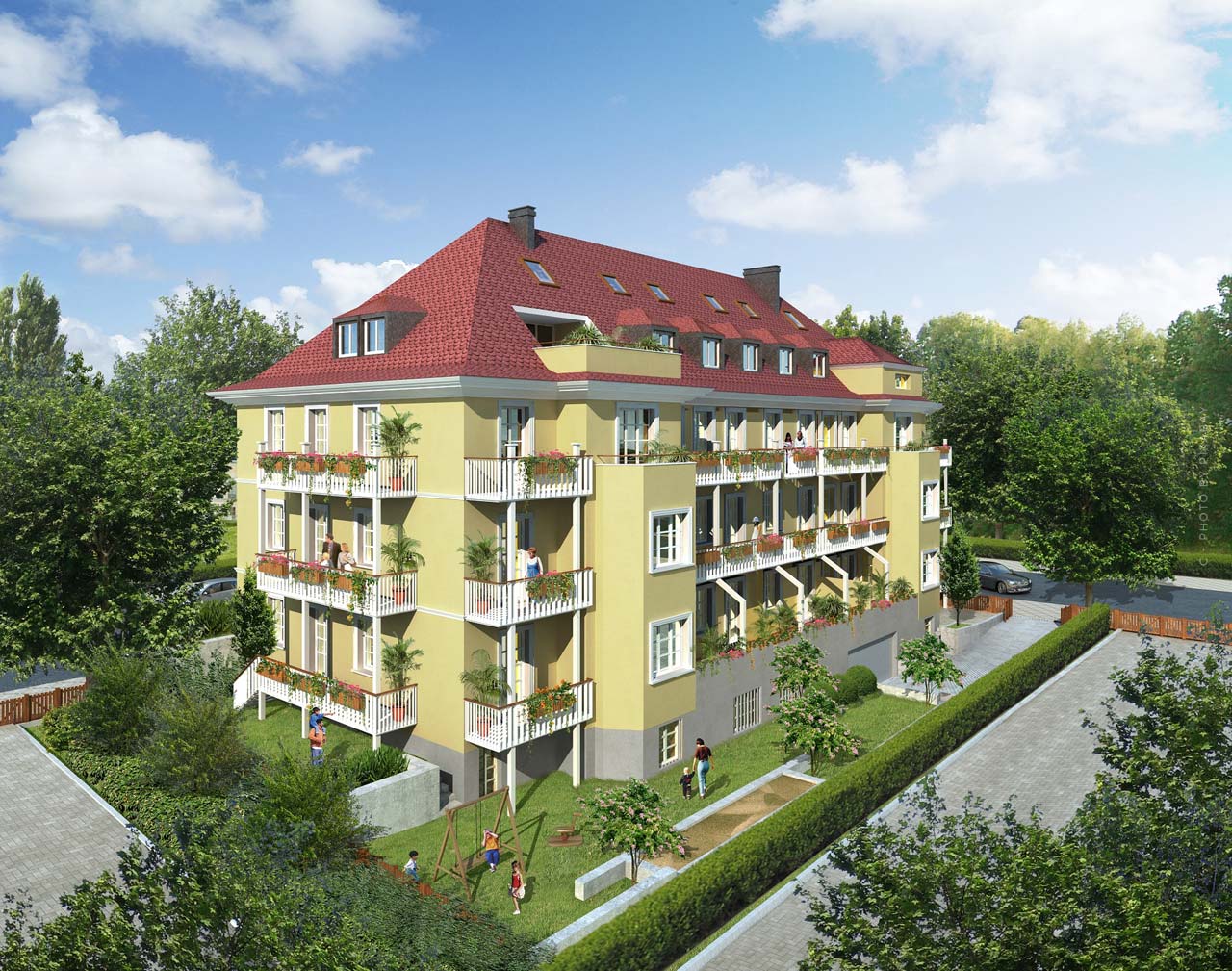
Berlin | Kreuzberg | Apartment building | 5,000,000 € with approx. 3.81% return
An Apartment building in Berlin-Kreuzberg for 5,000,000 € with a 3.81 % gross return — at first glance, the cash flow appears manageable. However, those who look closer at Berlin’s micro-locations, neighborhood protection laws, and the typical value development in inner-city districts quickly realize: In Kreuzberg, you don’t primarily profit from ongoing rent, but from asset value, rental increase potential, and location quality. This guide shows you how to assess the specific property, what pitfalls Berlin existing properties may bring, and how to properly evaluate the key figures when considering real estate as an investment — including calculations using purchase price factor and net return.
Kreuzberg in the Investor Check: What the Location is Really Worth
Kreuzberg is not all the same. The district divides into several micro-neighborhoods that differ significantly in price and tenant structure. Anyone investing in Berlin must distinguish between the quarters — otherwise you’ll pay Bergmannkiez prices for SO36 property or vice versa.
The Kreuzberg micro-neighborhoods compared
The following ranges reflect typical market values for existing multi-family houses in fully rented condition:
| Microlocation | €/m² Purchase | Factor (Annual Rent) | Profile |
|---|---|---|---|
| Bergmannkiez (61) | 7,500–9,500 | 28–34x | Historic buildings, affluent tenants |
| Graefekiez (Wrangelkiez) | 7,000–8,800 | 27–32x | Scene, high demand, students/creatives |
| SO36 / Kotti-Umfeld | 6,500–8,000 | 24–29x | Heterogeneous, appreciation dynamics |
| Viktoriapark / Yorckstraße | 7,200–9,000 | 27–32x | Old buildings, quiet, family-friendly area |
| Mediaspree / Schlesisches Tor | 7,500–9,500 | 28–33x | Technology tenants, new construction share |
For comparison: The average price per square meter for existing multi-family homes in Berlin is around 4,500–5,500 €/m². Kreuzberg is therefore noted to be about 50–80 % above the Berlin average — a clear indication that investors here pay for location and scarcity, not cash flow.
The standard land value in Kreuzberg ranges between 3,500 and 6,000 €/m² of land area. For a typical Gründerzeit MFH with 600 m² of land and 1,800 m² of living space, this means: the land value amounts to approximately 2.1–3.6 million € — or 40–70 % of the purchase price. This portion is not depreciable and significantly reduces the basis for depreciation calculations.

3.81 % return — much or little for Kreuzberg?
The gross return of 3.81 % corresponds to a purchase price factor of around 26x on the annual net cold rent. This is sportily market-standard for Kreuzberg, but not cheap. What matters is what remains after expenses.
From gross to net: The honest calculation
The gross rent is only the starting point — relevant for the investment decision are the earnings after management, maintenance, and rent defaults:
- Gross rental income per year: approximately 190,500 € (5 million × 3.81 %)
- Non-recoverable management costs: 12–18 % of the cold rent (management, maintenance, rent defaults)
- Old building maintenance reserve: 12–15 €/m² p.a. realistic
- Land tax & insurance: not fully recoverable in Berlin
- Effective net return: typically 2.8–3.2 %
Complete cash flow scenario for a 5 million € purchase price
This is how the calculated investor calculation looks for a sample property with 1,800 m² living area, 65 % loan-to-value ratio and 10-year interest rate lock-in:
| Position | Amount p.a. | Comment |
|---|---|---|
| Gross rent (target) | +190,500 € | Factor 26.2x |
| Rent default risk (2 %) | −3,810 € | Berlin-conservative |
| Management (35 €/unit × 24 units) | −10,080 € | externally commissioned |
| Current maintenance (13 €/m²) | −23,400 € | Old building reality |
| Land tax (not chargeable) | −6,000 € | Estimate after reform |
| NOI (Net rental income) | +147,210 € | = 2.94 % on purchase price |
| Annuity (3.25 Mio @ 3.8 % / 2 % amortization) | −188,500 € | Interest + amortization |
| Cash flow before tax | −41,290 € | Amortization as asset building |
| Depreciation (3.0 Mio building share × 2 %) | −60,000 € | Tax reducing |
| Tax savings (45 % on negative result) | +45,500 € | Only current income relevant |
| Cash flow after tax | ~ +4,200 € | Close to zero = typical for structure |
The core insight: In the first few years, the property generates almost no free cash flow. Wealth accumulation occurs through amortization (~65,000 €/year) plus appreciation. Detailed calculations via
Anyone looking exclusively at ongoing returns in Kreuzberg has not understood the market. The actual value contribution arises through rent adjustments during turnover, asset value appreciation, and the long-term consistently high scarcity of inner-city old buildings.
Rent increase potential: The invisible value lever
The difference between the current target rent and the local comparable rent is often the largest single value contribution for existing properties in Berlin. Concrete figures:
Current rental levels Kreuzberg
- Existing rents (long-term): 6.50–9.50 €/m² net cold
- Rent index median (old building, average location): 8.80–11.50 €/m²
- Reletting rent (rent cap +10 %): 10.50–13.50 €/m²
- New lease rent on the free market (renovated old building): 14–18 €/m²
Reversion scenario over 10 years
With a fluctuation rate of 6 % p.a., around 50–55 % of the apartments will be relet in 10 years. If the property increases on average from 8.50 € to 12.00 €/m², this means for 1,800 m²: +38,000 €/year additional revenue — and via the valuation formula (factor 26x) an increase in value of around +1.0 million €. Prerequisite: correct application of the rent cap and consideration of the modernization levy under § 559 BGB.

With a purchase price of 5,000,000 € in Berlin, investors must account for significant additional purchase costs. Berlin has one of the highest land transfer tax rates in Germany at 6.0 %.
Overview of cost items
| Position | Sentence | Amount at 5 Mio € |
|---|---|---|
| Land transfer tax Berlin | 6,0 % | 300.000 € |
| Notary & land register | approx. 1,5 % | 75.000 € |
| Real estate agent commission (buyer’s side) | approx. 3,57 % | 178.500 € |
| Technical due diligence | — | 10.000–15.000 € |
| Legal advice on contract | — | 8.000–20.000 € |
| Total additional costs | ~11–11,5 % | ~575.000 € |
Purchasing through an object GmbH (Share Deal) allows for a reduction in land transfer tax — but only under strict conditions. Since the Land Transfer Tax Reform, the tax applies to the transfer of ≥ 90 % of the company shares within 10 years. Pure 89.9 % constructions are under scrutiny by the tax authorities as structural abuse. Structurally only worthwhile from 8–10 Mio € volume or in portfolio purchase.
Detail calculator: Calculate purchase-related costs, Land transfer tax comparison,
Social area protection and conversion ordinance: The underestimated factor
Almost the entire district area of Friedrichshain-Kreuzberg is designated as a social preservation area under § 172 BauGB. This has significant consequences for investors — and exactly here, many business models from other cities fail.
- Pre-emption right of the district: The district can intervene in sales in favor of third parties (e.g. state-owned WBM, HOWOGE) — avoidable through a waiver agreement
- Permission required for modernization: Value-increasing measures beyond standard require approval from the district office
- Division ban under conversion ordinance: Conversion into condominium ownership practically not possible — exit via individual resale eliminated
- Rent index binding: Upon reletting, the rent control applies additionally
- Modernization levy: Limited according to BGB, in protected areas effectively further restricted
Content of a typical avoidance agreement
To waive the district’s right of first refusal, buyers regularly sign an avoidance agreement. Typical conditions with a binding period of over 20 years:
- No sale to third parties without district approval during the binding period
- No division into condominium ownership under § 8 of the Condominium Act
- Rent increase only within the rent index, often with a cap below the legal 15%
- Modernization levy maximum 50% of the legally permissible levy
- Waiver of right to terminate for personal use for a defined period
- Contractual penalties in case of breach, often 10–20% of the purchase price
Concretely, this means: Whoever calculates the apartment building in Kreuzberg as a WEG division case is wrong. The value contribution must come from ongoing rental income plus the sale of existing properties to institutional buyers.
GEG, ESG and renovation needs: The biggest value lever and risk area
Kreuzberg old buildings often only achieve energy efficiency classes E to G. With the EU Building Directive EPBD and the GEG-

Investment Real Estate: What You Need to Pay Attention to When Buying Your First Property
Berlin | Mitte | Apartment building | 15,000,000 € with approx. 2.9% return
Berlin | Lichterfelde | Apartment building | 4,450,000 € with approx. 1.88% return
Berlin | Friedrichshain | Apartment building | 3,100,000 € with approx. 5.00% return
Berlin | Friedrichshain | Apartment building | 2,680,000 € with approx. 3.75% return
Berlin | Kreuzberg | Apartment building | 3,700,000 € with approx. 2.7% return
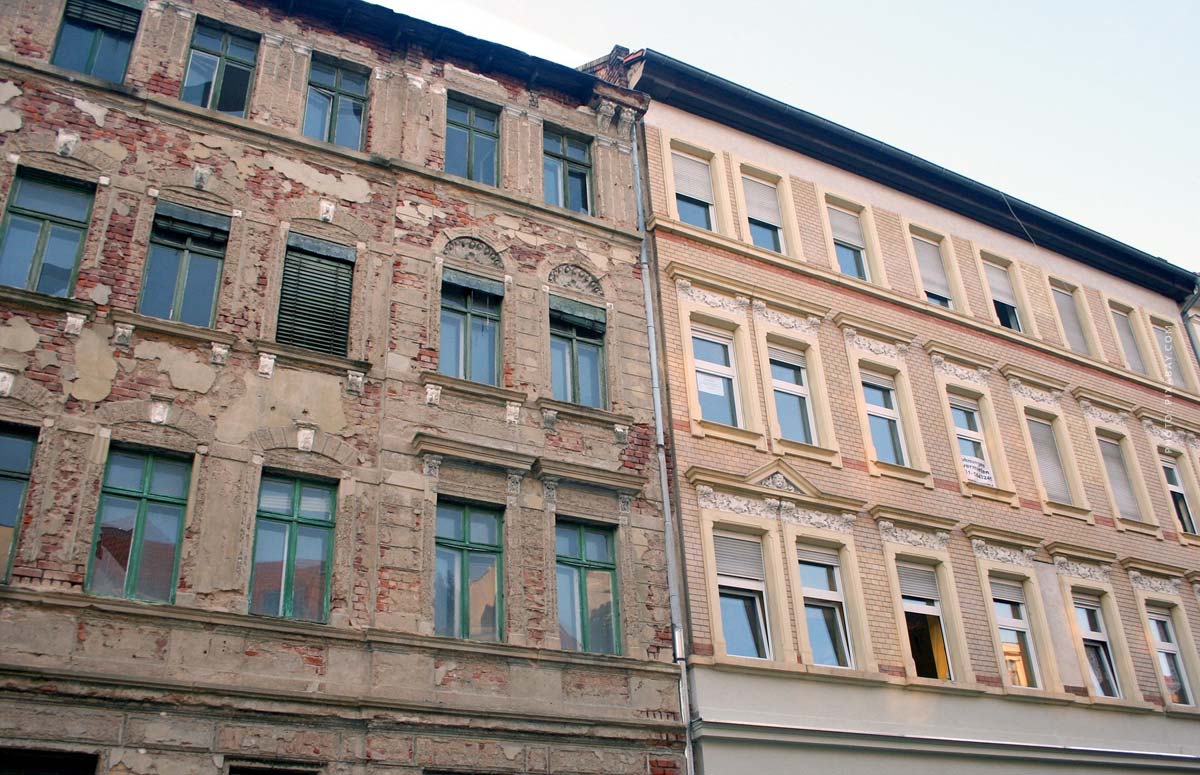






3 Advantages of a Property as a Capital Investment: Inflation Protection, Debt Capital & Passive Income

Sell villa in Meerbusch: Sought-after villa location near Düsseldorf
Sell a villa in Berlin: List, Rating, Prices, Real Estate Agent, Mistakes, Experiences
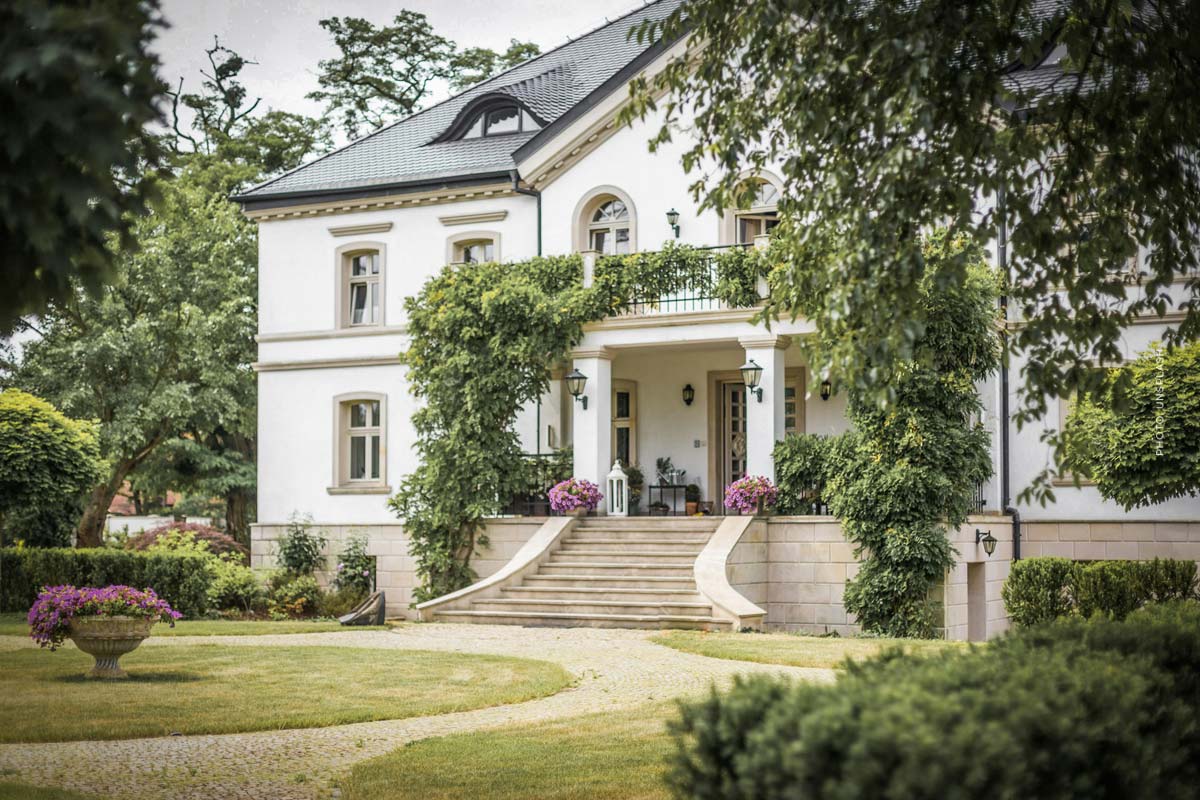
Villa for sale Hamburg: List, Rating, Prices, Real Estate Agent, Experiences