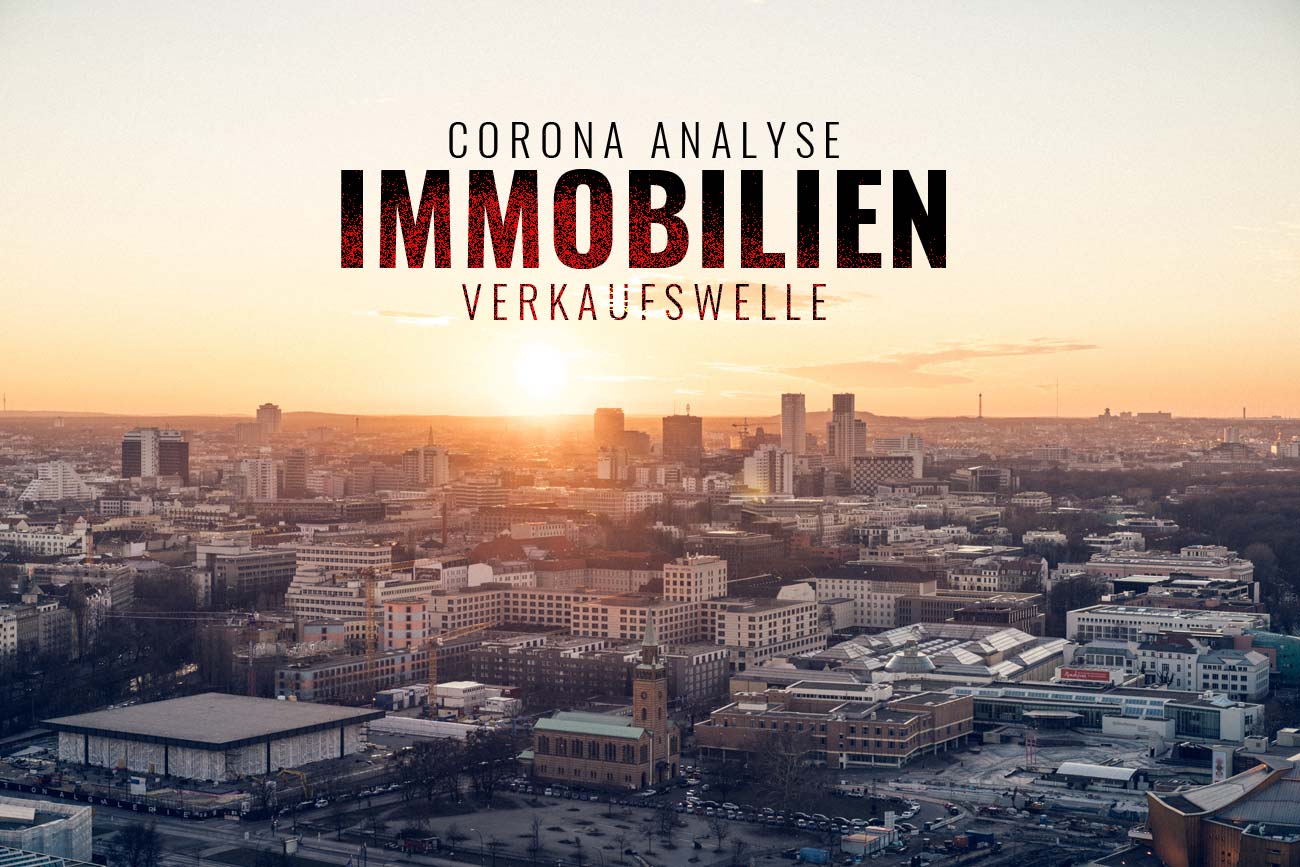
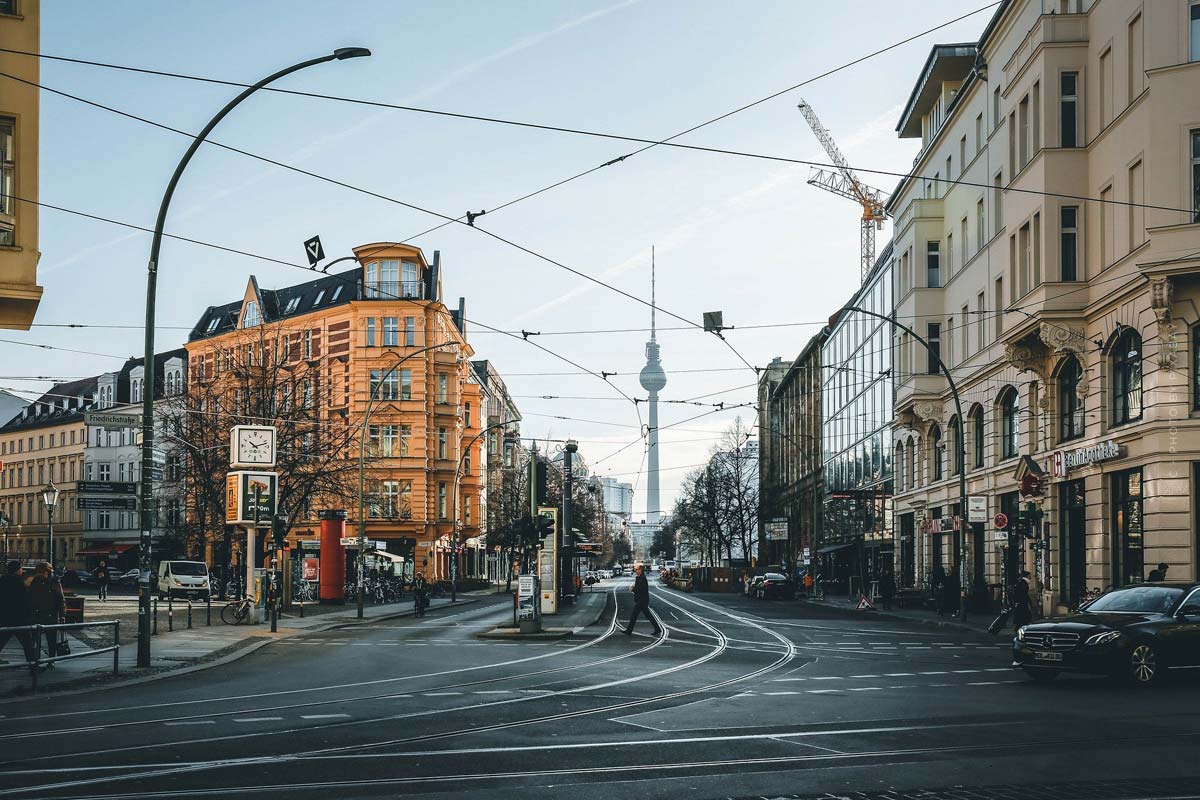
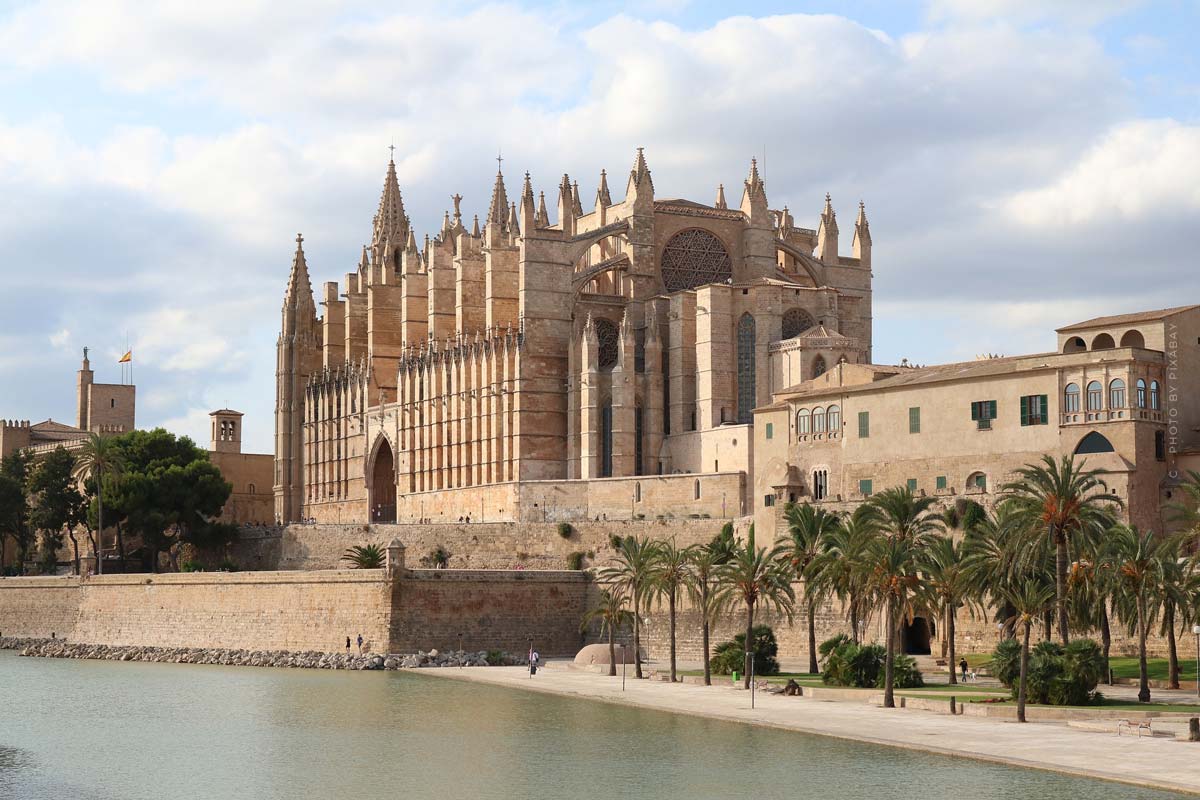
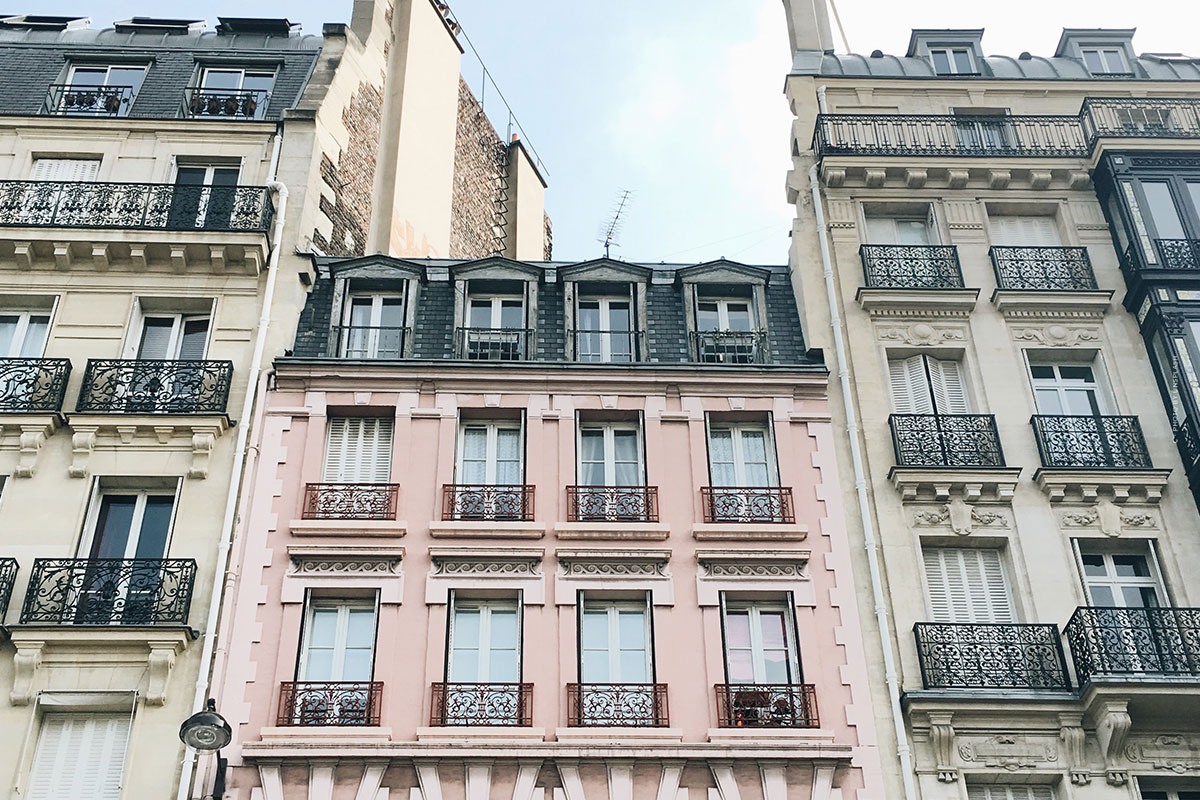
Berlin | Kreuzberg | Apartment building | 3,700,000 € with approx. 2.7% return
Buying an Apartment building in Berlin-Kreuzberg for 3.7 million € with a gross return of 2.7% — at first glance, it seems meager. Whoever understands Berlin as a real estate investment knows: in SO 36, you don’t pay for today’s cash flow, but for tomorrow’s value growth and the rental increase potential with tenant turnover. In this article, we analyze location, purchase price factors, return structure, and typical pitfalls for investors — including a concrete
Kreuzberg: Micro-location, tenant profile, and market peculiarities
Kreuzberg is not all the same. Investors who look at the district from a bird’s-eye view overlook that between the old SO 36 (east of the Landwehrkanal, around Görlitzer Park, Wrangelkiez) and the more bourgeois SW 61 (Bergmannkiez, Chamissoplatz, Viktoriapark), there are worlds apart in terms of pricing and rental strategies.
The Kiez Structure and Its Price Ranges
Within the district, there are five relevant micro-locations, each with its own buyer and tenant clientele:
- Bergmannkiez / Chamissoplatz: bourgeois old buildings, well-maintained stucco facades, families and academics — typical purchase prices usually 7,500–9,000 €/m².
- Wrangelkiez / Schlesisches Tor: scene location, high tenant turnover, young creatives — 6,500–8,000 €/m².
- Graefekiez: proximity to the canal, high quality of living, stable tenant structure — 7,000–8,500 €/m².
- Mehringdamm-Achse: heavily frequented, commercial units on the ground floor are valuable — 6,800–8,200 €/m².
- Moritzplatz / Oranienstraße: upward trend, a mix of existing buildings and boutique renovations.
The average price in Berlin for multi-family homes in prime locations is around 5,500–7,000 €/m² — Kreuzberg therefore demands a location premium of 15–30 %. This premium is not a speculative price, but a reflection of a structurally tight existing housing stock: few new construction sites, dense development, and neighborhood protection in almost all districts.
Who rents in Kreuzberg?
The tenant profile is diverse, but stable in value: creative industry, tech employees from nearby Mitte, international professionals, long-term existing tenants with capped old rents. This mix is crucial for investors — it minimizes cluster risks regarding rent.
Why Kreuzberg differs from the rest of Berlin
Unlike Charlottenburg or Mitte, Kreuzberg is characterized by dense political control. The district of Friedrichshain-Kreuzberg has pursued a consistent preservation policy for years — this makes it unattractive for classic subdivision investors, but particularly interesting for long-term property holders, because the substance cannot be arbitrarily modernized and the character remains intact.

The 2.7 % Return in the Reality Check
With a purchase price of 3.700.000 € and a gross return of 2.7 %, this results in approximately 99.900 € annual net rent — which corresponds to a purchase price factor of around 37x. This is standard for top locations in Berlin, but not a bargain. Those who buy here calculate with a different lever than pure ongoing income.
The bare numbers at a glance
Before engaging in the return debate, a look at the full costs is worthwhile — many investors calculate the purchase price in isolation and overlook the additional costs:
| Key figure | Value | Assessment |
|---|---|---|
| Purchase price | 3.700.000 € | Apartment building, Kreuzberg |
| Annual net rent (estimated) | ~99.900 € | at 2.7 % gross yield |
| ~37x | Berlin top location typically 32–40x | |
| ~296.000 € | GrESt 6 % + Notary/land register ~2 % | |
| Total investment | ~3.996.000 € | before renovation reserve |
| Effective gross yield | ~2.5 % | after additional costs |
In Berlin-Kreuzberg, no one buys for today’s cash flow. People buy for the rent increase at the next tenant change and for the increase in value of the property — with a running gross yield of 2.7 %, the capital gain must carry the majority of the total yield.
Gross yield vs. net yield — the central mistake
The indicated 2.7 % is a gross yield. Those who calculate honestly deduct non-recoverable operating costs: management,
- Management: 25–35 € per residential unit per month.
- Maintenance reserve: in old buildings in Kreuzberg at least 12–15 €/m²/year.
- Rent default risk: 2 % of the target rent, in Kreuzberg rather 1 % due to high demand.
- Non-recoverable operating costs: approximately 3–5 % of the net rent.
- Result: the net yield realistically lands at 2.0–2.2 %.
Before making a purchase decision, use the
The actual value driver does not lie in today’s rental price, but in the difference between the existing rent and the market rent. In classic Kreuzberg old buildings, tenants often live for 15–25 years at rents of 5–7 €/m², while the market rent is at 13–16 €/m². With every tenant change — provided that no rent cap applies or an exception can be documented — the rental income of an apartment can double.
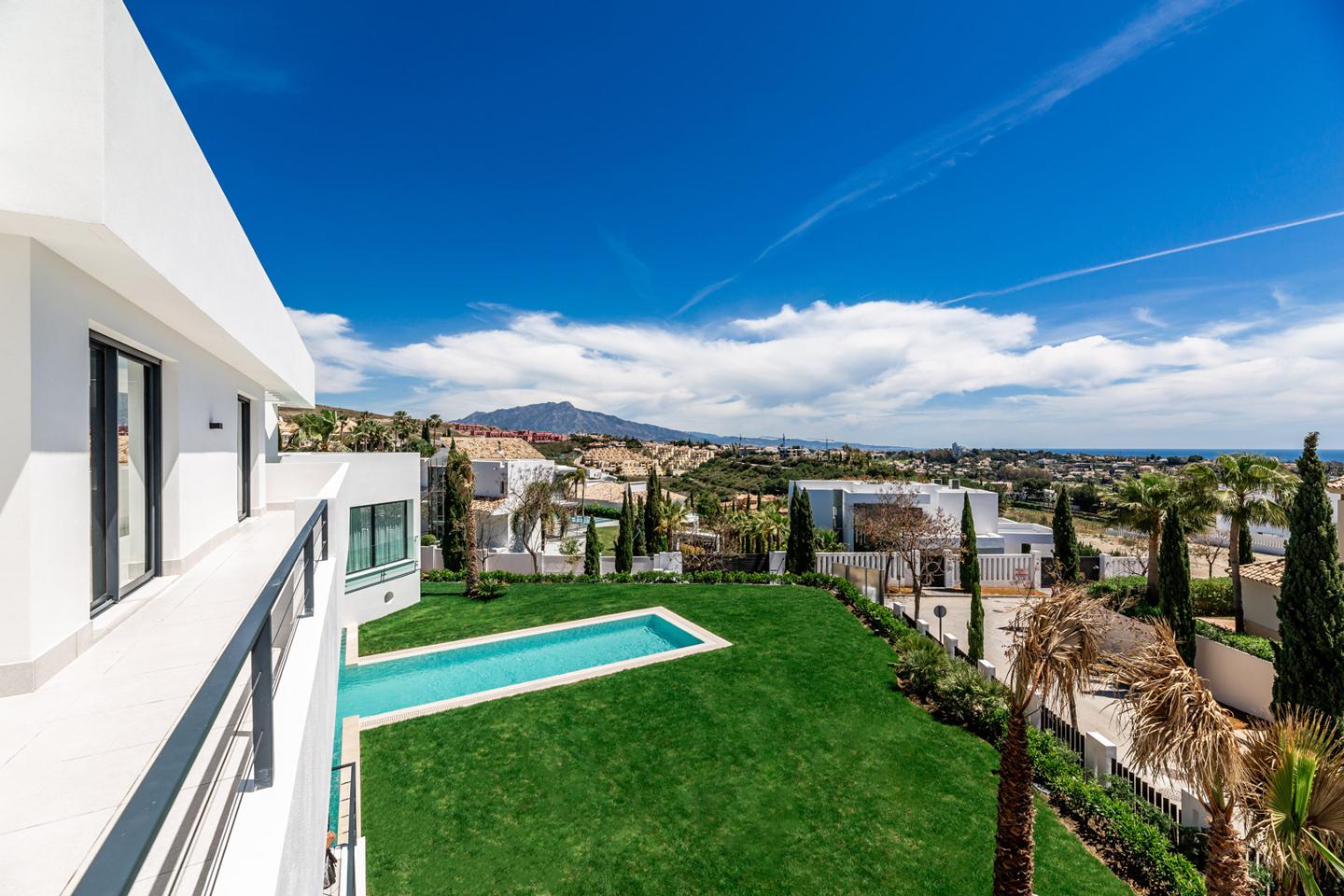
No Berlin district regulates existing properties as strictly as Friedrichshain-Kreuzberg. Three legal levers are crucial:
1. Social Preservation Ordinance (Milieuschutz)
Almost all Kreuzberg neighborhoods are protected under Milieuschutz according to § 172 BauGB. Consequence: renovations, floor plan changes, conversion into condominiums require approval — and are often denied. Anyone calculating with a partition exit has a problem in Kreuzberg in most cases.
2. Municipal Right of First Refusal
The district may exercise its right of first refusal in favor of state-owned housing companies when selling an apartment building or require a withdrawal agreement — typically with a waiver of division and modernization rent surcharge for 20 years.
3. Rent brake + cap limit
When reletting, the rent may be at most 10% above the local comparative rent. Existing rents may increase by a maximum of 15% within 3 years. Anyone reading “rent increase potential” in the property listing should check whether it is actually legally feasible.


Checklist: Due Diligence for the Kreuzberg Apartment Building
Before making an offer, these points must be addressed:
- ✓ Rentaler list with contract data: Who has been living there for how long at what rent? How big is the rent increase potential upon change?
- ✓ Structural inspection: Roof, facade, riser pipes, heating, electricity — Kreuzberg old building often needs a renovation reserve of 800–1,500 €/m².
- ✓ Neighborhood protection status: Which preservation ordinance applies? Are structural measures planned — have they been approved?
- ✓ Right of first refusal check: Obtain a negative certificate from the district office before the notary appointment.
- ✓ Rent index comparison: Existing rents vs. Berlin rent index — with strongly capped old rents, the potential for increase is the real value driver.
- ✓ Energy certificate and GEG obligations: What renovation obligations arise after a change of ownership?
- ✓ Funding: Equity of at least 25–30 % should be planned, so around 1.1 million € for 3.7 million.
- ✓ Purchase ancillary costs: 6 % land transfer tax in Berlin, about 1.5–2 % notary and land register — no room for maneuver.
Funding and Tax Leverage
With an investment volume of around 4 million €, the financing structure determines the return on equity. As described in the Real Estate Financing Guide, the actual cash flow strongly depends on interest rate binding, mortgage repayment and additional repayment options.
Loan-to-Value Structure and Repayment
Banks value multi-family homes using the income capitalization approach — the loan-to-value ratio often lies 10–15 % below the market value. This results in classic benchmarks for financing planning:
- Loan-to-Value Ratio: typical 70–80 % for multi-family homes in top locations in Berlin.
- Repayment: 1.5–2 % at the start to remain cash flow positive.
- Interest Rate Fixation: for large volumes usually 10–15 years — shorter increases interest rate risk, longer involves a margin premium.
- Prepayment right: 5 % p.a. should be standard, ideally with an option to change the repayment rate.
Tax Adjustments
For wealthy private investors, the tax effect is at least as important as the ongoing return. In the personal top tax rate, every deductible euro is multiplied by approximately 0.42–0.45 as a real tax advantage.
- Abnutzung bestehender Gebäude: 2 % linear für Gebäude, deren Fertigstellung nach dem Kündigungsdatum des Reichsbauordnungsrechts liegt — für ältere Gründerzeit-Gebäude 2,5 % linear.
- Maintenance expenses: fully deductible in the year of payment.
- Purchase-related expenses: caution — within the first 3 years after purchase, renovations exceeding 15 % of the purchase price are considered subsequent acquisition costs and must be spread over depreciation.
- Modernization depreciation: distribution over 15 years for extensive measures — planably usable for tax smoothing.
- Speculation period: 10-year holding period for tax-free sale — see Speculation period.
Exit Strategy: What Does Selling in 10 Years Bring?
Whoever holds an apartment building in Kreuzberg rarely sells it under pressure. The typical exit occurs after the speculation tax on real estate period of 10 years — then the capital gain is tax-free. With an average historical value development of Berlin’s top locations of 4–6 % p.a., the sales revenue can significantly compensate for the meager ongoing return.
Three Scenarios for the Exit
The range between a conservative and an optimistic scenario shows why Berlin’s top locations remain in demand despite low initial returns:
| Scenario | Annual appreciation | Value after 10 years | Gross profit |
|---|---|---|---|
| Conservative | 2.5 % | ~4.736.000 € | ~1.036.000 € |
| Market-oriented | 4.0 % | ~5.475.000 € | ~1.775.000 € |
| Optimistic | 5.5 % | ~6.323.000 € | ~2.623.000 € |
Buyer groups for Kreuzberg multi-family homes
Whoever sells in 10 years should know to whom. The buyer market for Kreuzberg existing properties is limited, but capital-strong — family offices, wealthy private investors and institutional property holders dominate. Classical subdivision investors are largely excluded due to the neighborhood protection, which narrows the buyer circle, but tends to stabilize prices.
With an honest real estate valuation calculation combined with the income capitalization method, it becomes clear: The value driver in Kreuzberg is the stability of the asset value, not the ongoing income.
FAQ: Apartment building Berlin-Kreuzberg
Is a gross yield of 2.7 % in Kreuzberg attractive?
In a pure cash flow comparison, 2.7 % is below average, but in the context of top locations in Berlin, it is market standard. The actual value driver is the value appreciation and the rental growth potential upon tenant change.
- Cash flow: short-term tight, often only slightly positive after amortization.
- Value development: historically 4–6 % p.a. in Berlin’s prime locations.
- Tax-free exit: after 10 years of holding period.
- Inflation protection: asset value with potential for rent adjustments.
Which risks are particularly high in Kreuzberg?
Regulatory risks outweigh market risks. Neighborhood protection, right of first refusal, and rent control significantly limit operational flexibility more than in most other German major cities.
- Milie
You might also like
Investment Real Estate: What You Need to Pay Attention to When Buying Your First Property
Berlin | Mitte | Apartment building | 15,000,000 € with approx. 2.9% return
Berlin | Lichterfelde | Apartment building | 4,450,000 € with approx. 1.88% return
Berlin | Friedrichshain | Apartment building | 3,100,000 € with approx. 5.00% return
Berlin | Friedrichshain | Apartment building | 2,680,000 € with approx. 3.75% return
Berlin | Kreuzberg | Apartment building | 5,000,000 € with approx. 3.81% return
Discover moreBerlinBerlin | Reinickendorf | Apartment building | 4,650,000…BerlinBerlin | Prenzlauer Berg | Apartment building |… CrimeCrime statistics: Location downgrade Germany +5.5% Crimes &…
 SellingSelling an apartment building in Berlin: steps, estate…
 SellSell apartment house quickly: Most important tips +…
 ImmediateImmediate Purchase: We buy every apartment! + Apartment…
 RealReal Estate Job Cologne - Consultant:in, Broker:in for…
 BrokerBroker SEO: Tips! Search engine optimization for brokers…
 TheThe Line (Saudi Arabia): Location, photos + videos…
 BuyBuy land in Bel Air: Exclusive, undeveloped, 1,500…Readers also enjoyed
3 Advantages of a Property as a Capital Investment: Inflation Protection, Debt Capital & Passive Income

Sell villa in Meerbusch: Sought-after villa location near Düsseldorf
Sell a villa in Berlin: List, Rating, Prices, Real Estate Agent, Mistakes, Experiences
Villa for sale Hamburg: List, Rating, Prices, Real Estate Agent, Experiences