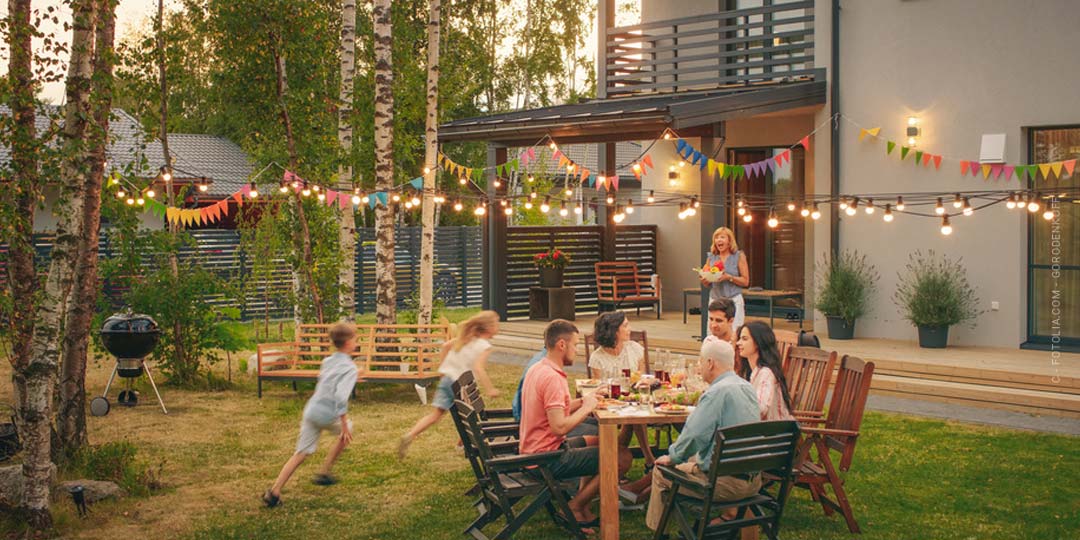
Which pet is right for me? – the big guide to pets
A pet is an enrichment — but also a commitment over many years, with significant costs and specific requirements for an apartment, house, or garden. Before you decide, you should not only consider the animal, but also your living situation, your lease agreement, or the declaration of co-ownership of your condominium. This guide shows you which pet fits which lifestyle — including costs, space requirements, life expectancy, and legal pitfalls.
Pet Acquisition: What You Should Check in Advance
Before the first pet moves in, the following points should be clarified. Those living in a rental apartment or homeowners’ association are not completely free in their choice:
- Check the lease agreement — Dogs and cats cannot be generally prohibited (BGH VIII ZR 168/12), small animals such as mice, hamsters, or fish are generally allowed.
- Homeowners’ association declaration — In condominiums, the community rules may restrict pet ownership.
- Test for allergies — Especially with cats, dogs and small animals with hay/straw.
- Plan space realistically — A ferret enclosure needs 6 m², tortoises need an outdoor enclosure.
- Time budget — Dog: 2–3 hours daily, cat: 30–60 minutes, rats: 1 hour.
- Living costs — Monthly expenses 30 € (mouse) up to 200 € (dog).
- Travel care — Who takes care of them when you’re away? Boarding, sitter, family.
- Lifespan — Tortoise 50–100 years, dog 10–15, rat 2–3 years.
- Insurance — Dog liability insurance is mandatory in many federal states.

Pets at a Glance: Comparison Table
A direct comparison of common pets — from purchase costs to suitability for working professionals:
| Pet | Purchase | Cost/Month | Space Requirement | Lifespan | Time/Day | Suitability |
|---|---|---|---|---|---|---|
| Dog | 500–2,500 € | 80–200 € | Apartment + garden ideal | 10–15 years | 2–3 hours | Family, active singles |
| Cat | 100–1,200 € | 40–80 € | From 60 m² apartment | 12–18 years | 30–60 minutes | Family, working professionals (in pairs) |
| Rat | 20–40 € per animal | 30–50 € | Cage from 100×60×120 cm | 2–3 years | 1 hour | Working professionals, children from 12 |
| Mice | 5–15 € per animal | 20–35 € | Terrarium from 80×40×60 cm | 2–3 years | 30 minutes | Working professionals, observers |
| Turtle (land) | 100–400 € | 30–60 € | Outdoor enclosure from 10 m² | 50–100 years | 20 minutes | Homeowners with garden |
| Ferret | 150–400 € | 60–100 € | Enclosure 6 m² + free run | 8–10 years | 4 hours free run | Experienced, home workers |
| Owl | not recommended | — | Large aviary in the garden | 15–30 years | requires permit | only professionals |
| Monkey | not recommended | — | not for private individuals | 20–40 years | not suitable | not suitable |
Pets for the Apartment: From Classics to Small Animals
Anyone living in a condominium or renting should choose a pet whose space requirements and noise level are suitable for the apartment and neighbors.
Dogs — Man’s Best Friend
A dog can enrich both a family and a single person’s life, but it is the most demanding pet of all. Daily exercise of 2–3 hours, training, dog tax (50–180 € per year depending on the municipality), liability insurance (60–100 € per year), and veterinary costs (on average 400–800 € per year) add up. Anyone who buys a house with a garden has clear advantages over renting an apartment — no landlord risk and more freedom for the dog to run around.
Rental law: Flat-rate bans on dogs in the rental agreement are invalid (BGH VIII ZR 168/12). The landlord may, however, refuse consent for large or potentially dangerous dogs. In condominiums, the homeowners’ association decides.
- Purchase: Shelter 200–400 €, Breeder 1,500–2,500 €
- Ongoing Costs: 80–200 € per month
- Ideal Keeper: Families, couples or active singles working from home
Cats — Lifelong Companions
Cats are more elegant and independent than dogs, but they do need social contact — those who are professionally active should keep two pets. Purebred cats can manage with 60–80 m², while free-roaming cats benefit from a House with a garden.
Rental Law: Cats may not be banned outright either. For balconies in a condominium, the owners’ association can pass a resolution regarding cat protection nets — obtain permission in advance.
- Purchase: Shelter cat 80–150 €, pedigree cat 800–1,200 €
- Ongoing Costs: 40–80 € per month
- Ideal Keeper: Families, working professionals (always at least two pets)
Rats — tame, intelligent, low-maintenance
Rats are the most underestimated pets. They are crepuscular, extremely social and intelligent. At least three animals of the same sex — keeping just one is animal cruelty. Cage at least 100×60×120 cm with several levels, daily exercise in a rat-proof room.
- Purchase: 20–40 € per animal plus cage 150–300 €
- Ongoing costs: 30–50 € per month
- Ideal keeper: Working professionals, children from 12 years old
- Rental law: allowed as a small animal, no landlord approval required
Mice — flexible and uncomplicated
Color mouse, racing mouse or hedgehog mouse — three species, three characters. Always keep at least three animals of the same sex. Aquariums or terrariums of at least 80×40×60 cm are better than wire cages (less bedding on the floor). Hay, paper tissues and climbing opportunities are mandatory.
- Purchase: 5–15 € per animal plus enclosure 80–200 €
- Ongoing costs: 20–35 € per month
- Ideal keeper: Working professionals, observers
Gerbils — playful and affectionate
Martens are extremely affectionate, but also very demanding. At least two animals, enclosures starting from 6 m² and four hours of outdoor time daily. Ferrets have a strong odor (gland secretions), which not everyone likes. In condominiums this can lead to complaints from the homeowners’ association.
- Purchase: 150–400 € per animal plus enclosure 400–800 €
- Ongoing costs: 60–100 € per month
- Ideal keeper: Experienced keepers, home office workers


Pets in outdoor enclosures: garden required
Some animals can only be kept in a species-appropriate way if a garden is available. Anyone seriously considering this should include the garden in their purchase decision — see also Plot & Building Law.
Turtles — Companions across generations
Land and water turtles differ fundamentally. Greek tortoises require an outdoor enclosure of at least 10 m² with a greenhouse, UV lamp, and hiding places. Water turtles live in aquariums starting at 120 cm. Note: Tortoises can live 50–100 years — they often outlive their owners and must be legally arranged in a will.
- Purchase: 100–400 € plus enclosure/terrarium 500–1,500 €
- Ongoing costs: 30–60 € per month (including electricity for heat lamps)
- Requirements: CITES certificate, notification to the nature conservation authority
Wild animals as pets: Why it is almost always a bad idea
Owls, foxes, monkeys, hedgehogs — they all appear charming in films or social media. In reality, they are wild animals with requirements that private individuals can hardly meet.
Owls — strict regulations, high hurdles
In Germany, keeping owls is only allowed with a certificate of expertise, a large outdoor aviary (at least 12 m² floor area, 3 m height), and approval from the local nature conservation authority. Owls are silent hunters with razor-sharp claws — dangerous for children and other pets.
Foxes — Wild animals, not companions
Outdoor enclosures of 30–40 m² with secure fencing, strict regulations, no proper social life in captivity. Russian “breeding foxes” often come from cruel conditions — keep your distance.
Monkeys — never in private ownership
Monkeys are highly social, aggressive during puberty, never house-trained, and require enclosures of at least 20 m² with climate control. Acquisition and keeping costs reach into the five-figure range. Ethically and practically, a clear no.
Hedgehogs — observe nature conservation
Native hedgehogs are protected by nature conservation laws and may not be kept. If you find injured animals, take them to a veterinarian or a hedgehog rescue center until they can be released back into the wild. The African white-bellied hedgehog is legal, but as a wild animal, it is rarely happy in an apartment.
Pet & Property: What Owners and Tenants Need to Pay Attention To
Keeping pets is not just a personal decision — it has legal and financial consequences for your living situation.
In the rental apartment
- Small pets (mice, hamsters, fish, parakeets) are allowed without permission.
- Dogs and cats may not be banned in general according to the BGH — the landlord must decide on a case-by-case basis.
- Several large dogs or breed-specific dogs can be refused by the landlord.
- Damage caused by animals (scratches, urine smells) is the tenant’s responsibility — Pay attention to rent & deposit.
In the condominium
- The partition declaration and the community rules can restrict pet ownership.
- Decisions of the homeowners’ association (e.g., regarding cat nets on the balcony) must be taken into account.
- Who holds an Investment apartment and rents it out should make clear provisions in the rental agreement.
- Pet ownership can indirectly affect property charges (cleaning of stairwells, elevator).
In the Owner-Occupied Home
- Maximum freedom, but be aware of the pet tax in your municipality.
- Gardens must be secure against escape for large dogs (fence at least 1.80 m high).
- Intensive pet ownership can reduce the value of the property during sale (odors, scratching damage) — have it professionally cleaned before viewings.
- Anyone buying their first property should plan for pet ownership from the beginning.
Insurance for Pet Owners
- Dog liability insurance — mandatory in many federal states, 60–100 € per year.
- Horse liability insurance — essential if you own a horse.
- Pet health insurance — advisable for surgical risks, 20–60 € per month.
- Private liability insurance — covers damages caused by small animals and cats.
Checklist: Which pet is right for me?
- How much time do I have daily? (30 min to 4 hours)
- Do I live in a
You might also likeStudent Housing: Buy, rent, make money in university & college locations

Buying profile: Cologne, Düsseldorf (NRW), Berlin & Munich - Apartment & Apartment building
Lukinski Rating Germany: Investment Property - City List

Own use vs. capital investment Difference: credit, costs, tax benefits

Apartment for sale: 12 typical mistakes! Asking price too high, missing documents, wrong timing & Co.

The 7 biggest mistakes when selling a house: price, rating, marketing, negotiation & Co.
Discover more SellSell condominium Owners' association: Manager, handover & Co.
 SellingSelling a condominium - what do I need…SellingSelling a condominium tax-free: speculation period, speculation tax…
 SellSell condominium experiences: 7 examples and experience reports…
 RealReal estate direct purchase experience: Immediate purchase of…
 ApartmentApartment sale purchase contract: What to watch out…
 SellingSelling apartments individually: Divide multifamily house - procedure…
 BalconyBalcony solar power system: advantages, installation, maintenance and…
 TypicalTypical mistake! Buying your first property: What can…
 PropertyProperty tax reform Germany 2025: What do landowners…Readers also enjoyed