
How high is the inheritance tax in Germany? 100 Mio. € Heritage Example Calculation + Tax Optimization
Why does SPIEGEL speak of only 1.5 percent inheritance tax on large business inheritances – and how does this figure come about? The overview explains the most important mechanisms, shows a simple example calculation, and lists the conditions as well as typical pitfalls.
What does the 1.5 percent figure mean?
The 1.5 percent is not a legal tax rate, but an effective average that can result from very large business inheritances. It arises when exemptions for business assets, deferrals, and sometimes waivers coincide. As a result, only a small part of the estate’s value is actually taxed.
Here is a concrete calculation example that shows how the effective tax rate of 30% on a 100-million-euro business inheritance can drop to just 1.5%. Extra short, to make it understandable.

1. Starting point – without benefits
Legal rate: 30 %
Calculation:
100 Mio. € × 30 % = 30 Mio. € Control
→ Effective tax burden: 30 %
2. Relief discount (85 % relief rule)
The Law on Inheritance and Gift Tax (ErbStG) allows for 85 % tax exemption for business assets, if the business is continued for at least 5 years.
Calculation:
100 Mio. € × 15 % = 15 Mio. € taxable
15 Mio. € × 30 % = 4.5 Mio. € Control
→ Effective tax burden: 4.5 %

3. Option relief (100 % exemption possible)
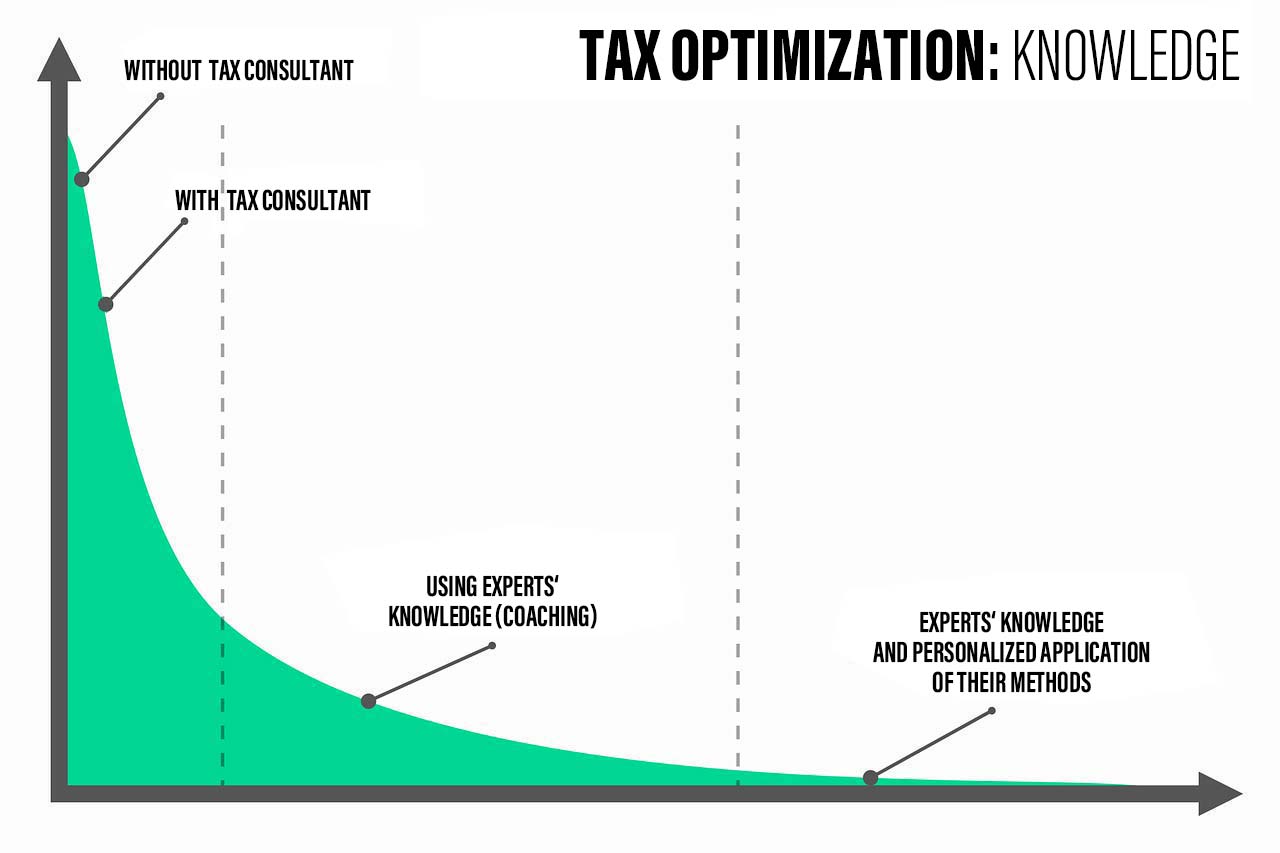 Anyone who commits to continuing the company for 7 years and does not significantly reduce the total wages can even apply for 100 % tax exemption.
Calculation:
100 Mio. € × 0 % = 0 € tax
→ Effective tax burden: 0 %
4. Combination of Design & Deferral
In practice, there is often a mix:
- Parts of the assets are transferred into holding structures.
- Tax payments are deferred interest-free over 7 years.
- During the ” Need Assessment “, the tax can be partially waived.
That means:
Real effect:
Instead of 4.5 million €, often only 1.5 million € flows to the tax office.
→ Effective tax burden: 1.5%
5. Overview of the calculation
Here is an overview:
| Step | Taxable amount | Tax liability | Effective rate |
|---|---|---|---|
| Without relief | 100 million € | 30 million € | 30% |
| With 85% exemption | 15 million € | 4.5 million € | 4.5% |
| With Holding & Deferral | 5 million € | 1.5 million € | 1.5% |
| With 100% option exemption | 0 € | 0 € | 0% |
In short: This is how you pay only 1.5 million € in taxes
Legally, the state could demand 30 million €. Effectively, the company heir often pays only 1.5 million € through exemption rules, holdings, and deferrals.
End.
If you’re wondering… no family foundation involved?
The 1.5% from the SPIEGEL article comes about without a family foundation – solely through the legal exemption of business assets. A family foundation can be supplementary, but it is not the reason for this figure.
A family foundation, on the other hand, is an independent planning tool. It can also be used for tax optimization, but in a different way:
- With a family foundation, assets can be transferred before the event of inheritance.
- This can help avoid or delay inheritance tax obligations.
- However, different rules apply here: substitute inheritance taxes apply, but they are staggered (e.g. every 30 years).
In combination with business assets, a family foundation can be used to save additional taxes, but this is a separate strategy.
Learn more about:

Why is inheritance tax also called the "fool's tax"?

Selling an apartment building Taxes: Asset & Share Deal

Apartment building for sale in Frankfurt: rental apartment & investment property

As Few New Dwellings as 2012: Germany's Construction Crisis at Rock Bottom

Investing 1 Million Euros: Real Estate, ETFs & the Best Strategy

Influencer Marketing: Creativity Meets Strategy – Join CM Creator




Plot of land by the water in Berlin: KP 90 Mio. - Luxury residential development in Germany's capital city
1.4 million apartments are missing: Germany's housing deficit reaches a record level
Land Register: Structure, Sections & Key Entries Explained

Self-Occupancy Termination: Requirements, Deadlines & Tenant Rights