Rental Prices 2026: Why Tenants in Munich, Berlin and Frankfurt Keep Paying More
12.96 euros per square meter nationwide — and the increase is accelerating
The German rental market found a new equilibrium in 2026 — at a structurally higher level. According to Immowelt market data for Q1 2026, the nationwide average asking rent stands at 12.96 euros per square meter. That corresponds to an increase of around 4.2 percent year-on-year — and is thus clearly above the general inflation rate.
For investors holding existing properties or considering new acquisitions, this figure should not be viewed in isolation. It is the result of a structural imbalance: too little housing meets growing demand in economically strong urban centres. This lays the foundation for further rent increases.

The front-runners: Munich, Frankfurt, Berlin
Germany’s most expensive rental markets are concentrated in three metropolises, whose rent levels are reaching new record highs in 2026:
- Munich: 19.79 euros/m² — Munich thus remains the undisputed front-runner. Anyone looking for a 70-square-metre apartment pays an average of 1,385 euros in cold rent per month.
- Frankfurt am Main: 19.75 euros/m² — almost on par with Munich, and a clear sign of the strength of Frankfurt’s financial-market ecosystem as a rent driver.
- Berlin: 17.98 euros/m² — the capital has recorded the strongest relative increase of any German major city over the past five years. In 2019, Berlin’s average was still below 12 euros.
It is worth noting that these figures represent asking rents — i.e. what landlords advertise. In-place rents under existing tenancies are, on national average, around 25–30 percent lower, which explains the structural pressure for rent adjustments whenever tenants change.

Second tier, first-place growth rates: Leipzig and East German cities
The dynamics in second-tier cities are particularly striking. According to empirica-regio data for 2025/2026, Leipzig recorded a rent increase of 12.7 percent year-on-year — the highest figure among German cities with more than 400,000 inhabitants.
Behind this lies a relocation dynamic: those priced out of Munich or Frankfurt do not move to the countryside, but to more affordable major cities. Leipzig, Dresden and Erfurt benefit from this search behaviour and are increasingly developing their own scarcity patterns.
For investors, this means: the most attractive rental yields in 2026 no longer arise in the most expensive markets, but at the growth margins — cities with catch-up potential on rents but rising demand from inward migration.

Why rents will not structurally fall
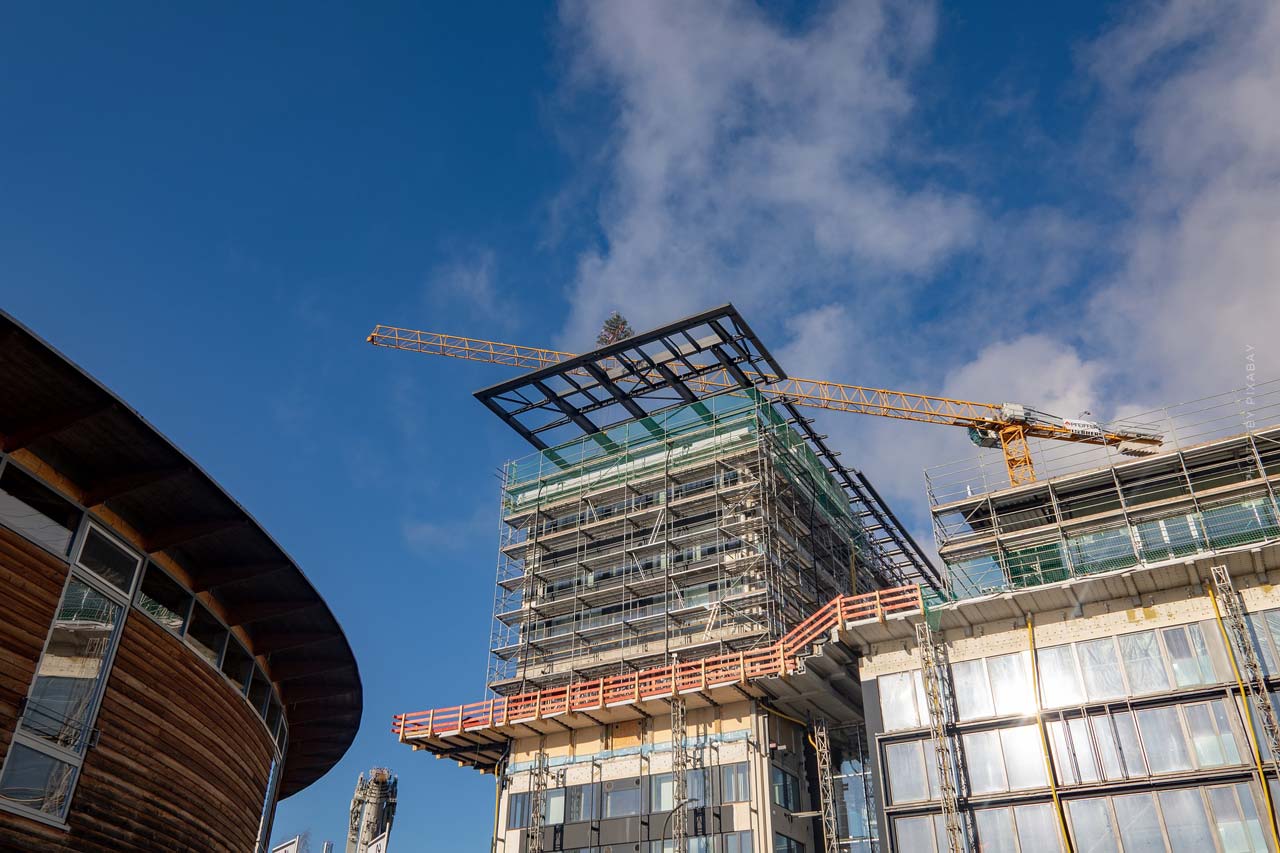
Demand remains stable: Germany’s cities are growing in population, household size is decreasing (more single-person households), and urbanisation continues. On the supply side, the housing construction crisis is having its full effect: in 2023, only 295,000 dwellings were completed, and fewer than 200,000 are expected for 2025.
The German Economic Institute (IW) in Cologne puts the annual housing need at 400,000 new units. The gap between need and completions is 2026 as large as it has been in decades. Even if the construction industry picks up again within 24 months, this will only affect supply from 2027/2028 onward.
Rent forecast: +3.5 to 5 percent in metropolises for 2026
Leading market analysts expect a further rent increase of 3.5 to 5 percent on annual average in 2026 for the major metropolises. This forecast is based on three factors:
- Supply gap: completions in 2026 clearly below need
- Index-linked rent adjustments: many current contracts are indexed — at an inflation rate above 3 percent, this triggers automatic rent increases
- Loss of social housing: more social-housing commitments expire each year than are newly created
The new 2026 tenancy law reform (Miete II) will partly dampen this dynamic, in particular by capping index-linked rents once CPI growth exceeds 3 percent. However, the structural effect is likely to remain limited.
What this means for investors
A 4 percent rent increase on an existing portfolio equates to a direct yield gain without any capital outlay — provided the rent-increase potential is actually realised. The decisive differentiation in 2026 lies between:
- New-letting rent vs. in-place rent: the gap is 25–30 percent. Turnover or vacancy creates considerable re-letting gains.
- Prime vs. B/C locations: while Munich and Frankfurt show high absolute levels, growth cities like Leipzig deliver higher rates of increase.
- Furnished vs. unfurnished: furnished lettings are largely exempt from the rent brake and rent cap — a regulatory advantage that still applies in 2026, but will be limited in future by the new rule (max. 10 percent furnishing surcharge).
Anyone buying a property today benefits, with a stable holding strategy, from a rental market that will structurally remain tight for the foreseeable future. The question is not whether rents will rise — but by how much, and in which markets.

Real Estate Podcast Tips! Real estate prices, investment and management – free
Buy rented or unrented? Advantages and disadvantages for buyers

Attic apartment: Conversion, renting or buying – advantages and disadvantages at a glance

Villa: Build, buy or house with pool? Invest in your modern villa as an investment

Beach house: Advantages & disadvantages of real estate investment, capital investment at the beach

Holiday home: buy and rent out property by the sea, lake or in the mountains & achieve a return on your investment




Real estate Instagram: Learn investment 1×1, investment explained in a nutshell

Real Estate TikTok: Learn investment 1×1, investment quickly, simply explained

Real Estate YouTube: Learn the capital investment 1×1, investment explained in a nutshell

Real estate LinkedIn: learn capital investment, investing explained succinctly