Renewable Energy – The Possibilities for Your Home
Renewable energy is a major topic, especially for property owners. Because they can use renewable energy to reduce their own energy costs while simultaneously contributing to climate protection. But what are all the things to consider and where is the best place to start?
Electricity and heat generation through renewable energy – almost unlimitedly available
Renewable, regenerative or also alternative energies live up to their many names. Because their best feature is that they are almost infinitely available or can be renewed in a relatively short time. Thus, they are far ahead of their competitors such as crude oil, natural gas or coal. Renewable energy is therefore the future and the way to confront the currently still prevailing fossil fuels or even nuclear energy. The alternative energies offer a great alternative and are also green as an additional plus point, thus not harming our environment.
- Key fact 1 – renewable energies, such as solar or wind energy, make a major contribution to climate protection, but require a relatively high initial investment for the installation of the system
- Keyfact 2 – the conversion or installation of renewable energy systems is supported by the state and can be easily financed through favourable interest rates.
Renewable Energy – what different forms are there?
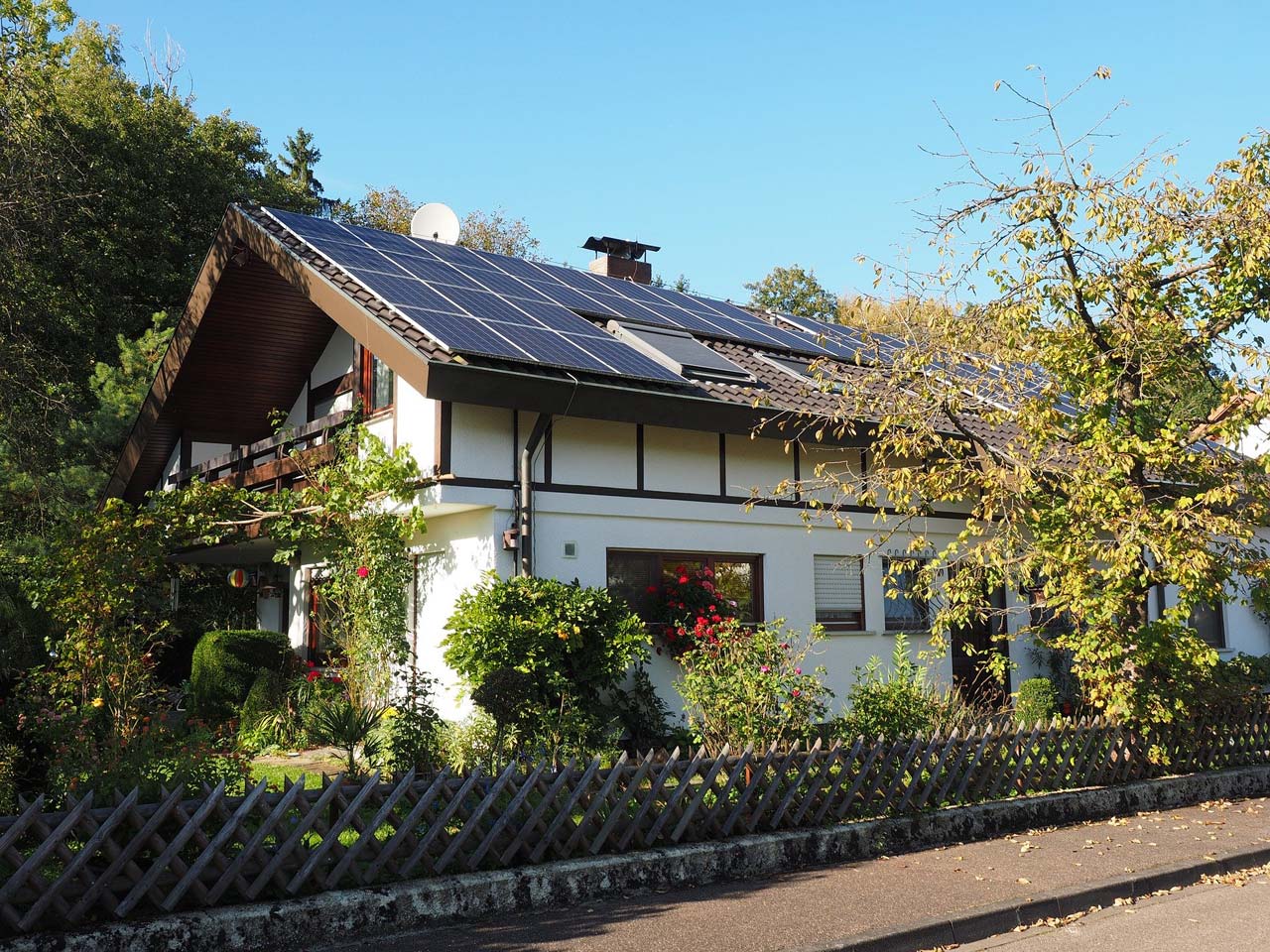
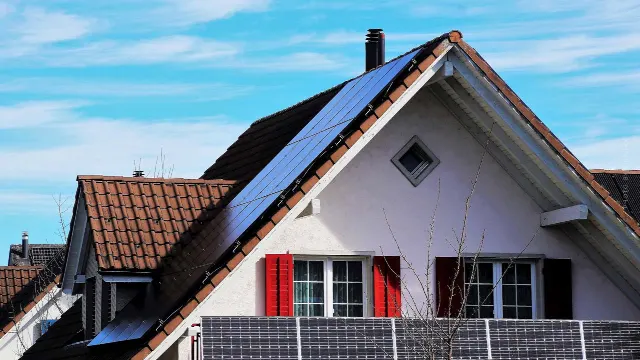
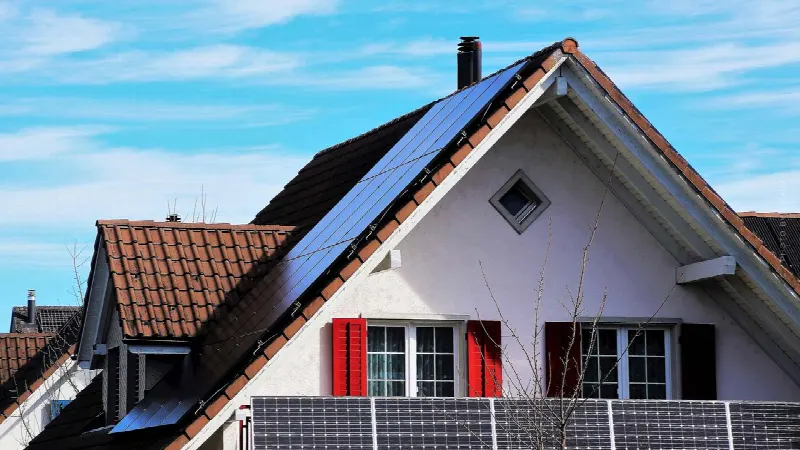
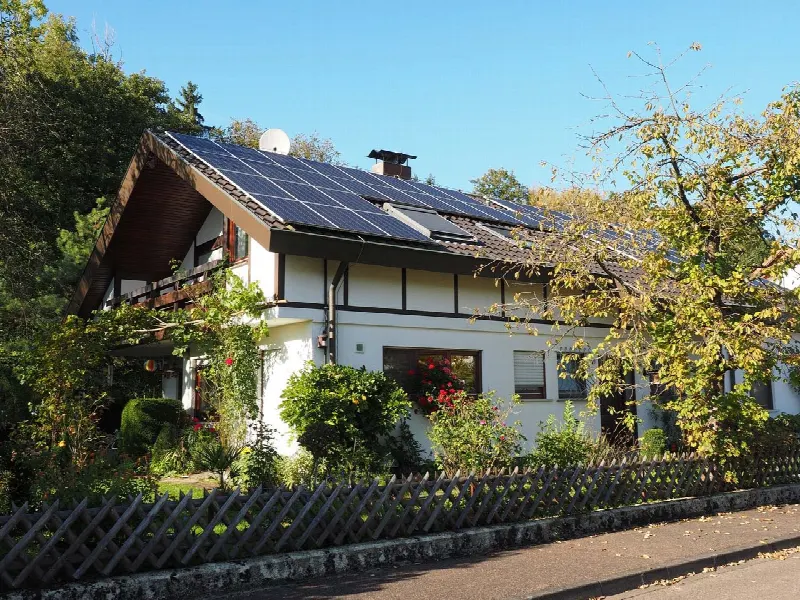
For the generation of electricity and heat through renewable energy, property owners have various options available. The best known is the generation of energy through solar energy. Here, the distinction is made between photovoltaics and solar thermal energy. Photovoltaics is used to convert sunlight into electricity, while solar thermal energy is used to convert solar energy into heat. Find out more about generating energy through sunlight here: ‘Solar Energy for Property Owners’. Another option for energy generation is the production of energy using wind power. A wind turbine uses the lift of the wind to generate energy from it.
A rather unknown method is the generation of energy through biomass. This occurs in the form of wood, energy crops, as well as by-products such as biowaste, manure, or straw. Stored solar energy is also converted into heat, electricity, or fuels in biomass plants. What most people do not know is that a pellet heating system also falls into this category of renewable energy. The last form of alternative energy is the heat pump. This transports heat from the ground and thus generates electricity. Hot water can also be supplied by a heat pump. There are already many forms today that are still relatively unknown and could provide the future of energy generation.
Homeowners – Renewable energy for heat generation is mandatory
The Renewable Energy Heat Act (EEWärmeG) applies to builders of new buildings. This stipulates that the partial use of renewable energy in heat generation is mandatory. Even though these must be used compulsorily, renewable energies also offer many advantages for builders. The use of alternative energies makes builders independent of rising energy costs and large energy companies. However, some decisions should be well thought out in advance. Since renewable energies are not always constantly available, various energy sources that complement the renewable energies should be considered. In addition, it should be noted that renewable energy must be used in heat generation and therefore it is sensible to also use renewable energies for electricity generation. All these points should naturally also be viewed from a financial perspective and there is a lot to consider. Depending on which renewable energy the property owner decides on, there are several technical systems that must be invested in.
Support for renewable energies – The state supports property owners
The conversion of a property to renewable energy can be financed in various ways. All conversions exceeding the amount of 50,000 € can be financed with a construction loan. Various providers offer different conditions for taking out a construction loan. If the amount is below 50,000 €, the project can be financed by the property owner through an installment loan.
The state supports property owners who want to switch to renewable energy with various funding programs as well. The federal development bank, the Kreditanstalt für Wiederaufbau (KfW), supports individuals and companies by offering favorable interest rates for a KfW loan. Divided into different funding programs, property owners or also builders can use a favorable financing option for the construction of renewable energy. The Renewable Energy Act also provides a guaranteed feed-in tariff as long as electricity from renewable energy is fed into the public power grid by property owners. This thus creates a small additional income source for property owners. However, caution is needed here! Because quickly, a tax trap for private individuals is hidden here. Learn more about this topic in our article about solar energy!
Advantages and disadvantages – overview of renewable energy sources
The construction of a house with renewable energy or the conversion of a property to use renewable energy brings some advantages for the owners:
- They protect the environment and make a contribution to climate protection
- They are independent of rising energy costs and do not support the big energy companies
- Funding is made easy for you thanks to support from KfW
- The feed-in tariff could become a monthly side income for you
Of course, every side also has its disadvantages, which is why property owners and builders should think carefully before deciding on renewable energy – after all, both sides must always be considered:
- The investment for the installation of technical equipment is high and is not necessarily cheap
- The performance of renewable energy can be subject to fluctuations
- Some systems for renewable energy can mean disruptions in nature
- The availability can sometimes be limited
Renewable Energy in Germany – Energy Transition and Its Goals
The switch to renewable energy has been taking place in Germany for several years under the term “Energiewende.” The Renewable Energies Act (EEG), which has existed since 2000, regulates the promotion of green electricity in Germany. This law has particularly caused a major change in the field of electricity generation. The share of renewable energy in total consumption has thus increased from 6 percent in 2000 to 29 percent in 2016. Small progress is being made in the automotive industry. Electric cars are certainly a well-known topic, but electric cars that run on electricity from renewable sources are still the only option and there are no alternatives yet. There is still a lot of work to be done here to enable all cars to run on renewable energy in the future. In the field of heating, there are also only small advances. Most buildings in Germany are still heated with fossil fuels, although there are now regulations and provisions for new buildings that require the use of renewable energy.
Germany’s current climate target is to reduce greenhouse gas emissions by a total of 40 percent by 2020 compared to 1990. Whether this goal will be achieved and whether a complete switch to renewable energy in the future is possible remains to be seen. We can be sure, however, that research into renewable energy continues and that the EEG requirements are a step in the right direction.

Sustainable investment: Climate-friendly trading of shares, ETFs & Co. – 12 tips from experts

Buy an apartment in Los Angeles – Everything you need to know, simply explained
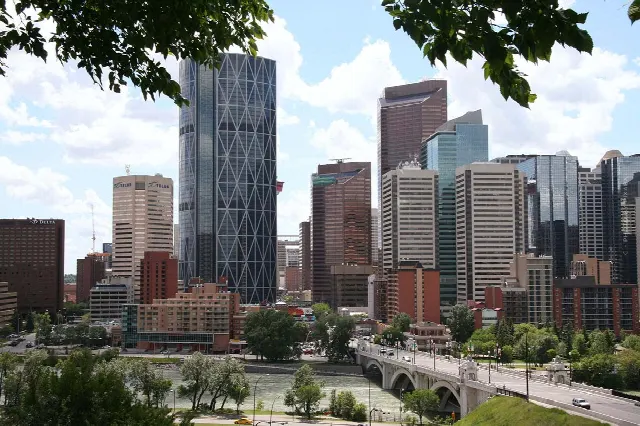
Luxury Realtor Calgary (Canada): Condo, House and Capital Investment

Luxury Realtor Vancouver (Canada): Condo, House and Capital Investment
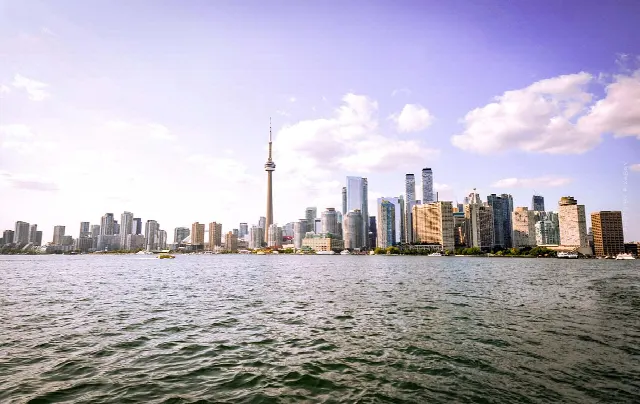
Luxury Realty Toronto (Canada): Condo, House and Capital Investment

Luxury Realtor Montreal (Canada): Condo, House and Capital Investment




Fix & Flip Strategy: Buy Real Estate, Improve and Sell – Real Estate Trading
Berlin rental houses: 50+ properties for investors (2.1%-4.9% yield) – Off Market

Operating costs: apportionable service charges, maintenance, water supply – explanation & definition
Real Estate Location: Investing in… – Lukinski Rating / Investment Atlas Germany