Cro’s Bali House Tour: Villa in Paradise – This is How Cro Lives on Bali!
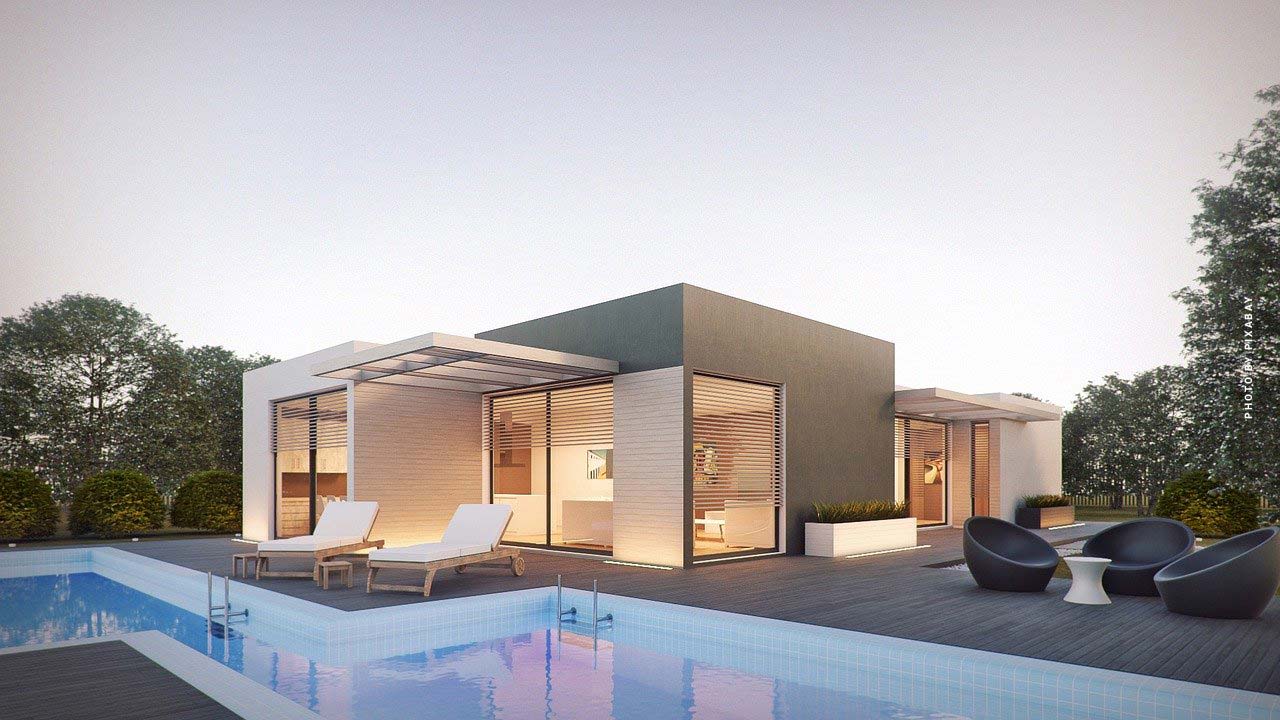
Cro – Germany’s most famous mask wearer – has created a luxury property in Bali that shows what is possible with tropical architecture and the right budget. His Villa in Bali combines open spaces, natural stone, teakwood, and a private pool into a lifestyle that is increasingly appealing to German property buyers. We take the House Tour as an opportunity for an honest analysis: architecture, prices in euros, legal status for Germans, and a direct comparison with Mallorca, Ibiza, and Marbella.
What defines Bali villa architecture?
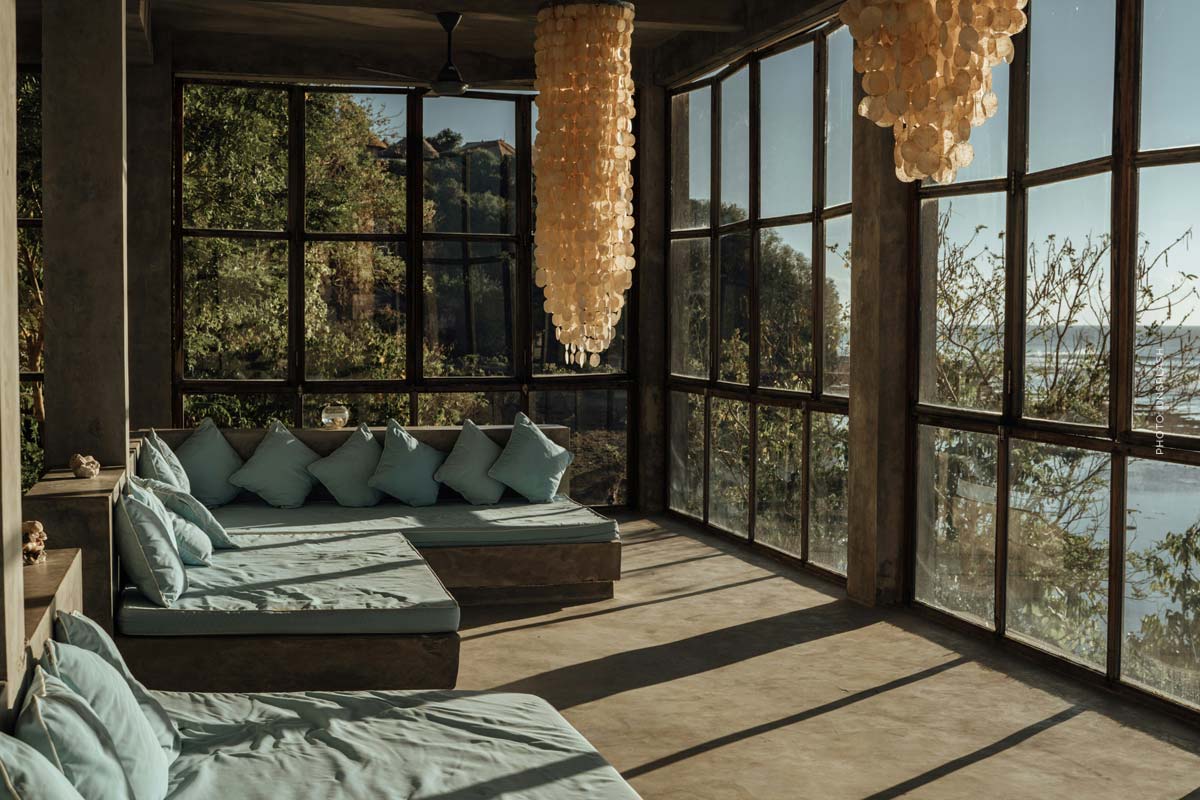
Bali villas follow a principle called “Open Living”: walls only where absolutely necessary. The result is a seamless transition between inside and outside – not a building style, but a response to the tropical climate with 75–90 % humidity and year-round temperatures between 27 and 33 degrees.
Typical materials and construction methods
- Reinforced concrete skeleton with wooden elements made from Bengkirai, Merbau, or Ulin (ironwood)
- Natural stone (Andesite, Paras sandstone) for floors, exterior walls, and bathrooms
- Roof: traditional Alang-Alang thatch roof or modern flat roof with greenery
- Pocket-Doors spanning the entire wall width – rooms open completely to the garden
- Pool: standard in premium villas, usually 8–15 m in length, infinity edge in hillside locations
- Outdoor bathroom with rain shower outdoors and tropical planting
Cros Villa: What the House Tour shows
The Cros estate includes a main area with kitchen, dining room and billiard table, a professional music studio, a creative atelier (which is also used as a home cinema), bedrooms with treehouse feel and a garden with its own pool. Particularly striking: custom-made furniture from Gianyar and a piano that he finally found after a year of searching and evaluating ten instruments.
Look inside the villa – AD Germany Tour

What does a villa on Bali cost? Prices in Euro
Bali is long gone as a bargain paradise. In top locations like Uluwatu or Seminyak, premium villas are now on a level with Marbella. The following table shows indicative values for sale or leasehold (25–30 years):
| Region | Character | Villa (3–4 BR, Pool) |
|---|---|---|
| Canggu / Berawa | Surf, Hipster, Digital Nomads | 450,000 – 1.5 million € |
| Seminyak | Established, Beach Clubs, Restaurants | 600,000 – 2.5 million € |
| Uluwatu / Bukit | Ultra-Luxury, Cliffside, Sea View | 1.2 – 8 million € |
| Ubud | Art, Wellness, Jungle Feeling | 350,000 – 2 million € |
| Sanur / Nusa Dua | Families, Resort Character, Quiet | 500,000 – 3 million € |
Construction costs for self-build (without plot)
- Standard construction: approx. 600–900 €/sqm
- Premium (like Cros Villa): 1,200–1,800 €/sqm
- Ultra-luxury (designer, cliffside): from 2,500 €/sqm
- For comparison: New build in Germany currently approx. 3,500–5,500 €/sqm
Custom furniture: A custom-made XXL sofa costs around 1,500–4,000 € on Bali – in Germany hardly available for less than 12,000 €. Cabinet makers and woodworking workshops in Mas and Gianyar are among the best in all of Asia.
Legal situation for Germans: What really applies when buying
The most important truth that is missing in most house tours: Foreigners are not allowed to own land in Indonesia. Anyone who “buys” a villa acquires one of three models.
The three property models for foreigners
- Hak Sewa (Leasehold): Lease for 25–30 years, renewable. Most common model, transparent, secure. Transfer is carried out by a notary (Notaris/PPAT).
- Hak Pakai (Right of Use): 30 years for foreigners with a residence permit (KITAS/KITAP), renewable. More secure than pure leasehold.
- PT PMA (Indonesian company): Your own company buys the land. More complicated, but often the best choice for investors with rental intentions – gross yields of 8–15 % are realistic.
What you should definitely avoid
- “Nominee” structures (Indonesian holds land in trust): legally invalid, high risk of total loss
- Purchases without PPAT notary: never sign without a licensed real estate notary
- Unclear zoning classes: green land (rice field, “Sawah”) is generally not allowed to be developed
- Natural disaster risk: Bali is located on the “Ring of Fire” – earthquakes, volcanic eruptions and floods are real risks
Bali vs. Mallorca vs. Marbella: The direct comparison
| Criterion | Bali | Mallorca | Marbella |
|---|---|---|---|
| Ownership for Germans | only leasehold/PT PMA | Full ownership (EU) | Full ownership (EU) |
| Purchase ancillary costs | approx. 5–8 % | approx. 11–13 % | approx. 10–12 % |
| Gross rental yield | 8–15 % (short-term rent) | 3–5 % | 3–6 % |
| Travel from Germany | 15+ hours flight | approx. 2.5 hours | approx. 3 hours |
| Climate | tropical, warm all year round | mediterranean, hot summer | mediterranean, very sunny |
| Legal security | medium | high (EU law) | high (EU law) |
| Value stability | volatile, growing | very high | very high |
| Language / Everyday life | English/Indonesian | German widely spoken | German widely spoken |
Who compares Mallorca, Ibiza or Marbella with Bali quickly realizes: EU law, short travel distance and value stability clearly speak for Europe. Bali wins in terms of return, building quality for the price and quality of life.
Those interested in self-building on Mallorca can find an
Why Bali is interesting for Germans
The combination of low construction costs, high quality of life, international airport (Ngurah Rai, Denpasar) and a well-developed expat network makes Bali the most popular tropical location for wealthy Germans. Added to this: Indonesian tax law is comparatively simple for foreigners with official tax obligations in Germany – as long as one does not aim for permanent tax residency in Indonesia.
Cros Life on Bali – previous insights
https://www.youtube.com/watch?v=H30Sxekb9Vo
Cro – Who is behind the pandemic mask?
Cro, whose civilian name is Carlo Waibel, is a German musician, singer, producer, and designer. He made his breakthrough with the hit “Easy” – which earned him several platinum records as well as the Echo award. His style is considered “Raop” (Rap + Pop), and his pandemic mask is an unmistakable trademark. Besides music, he is active in fashion and has been living on Bali for years, where he produces, paints, and plays piano.
Cro – Easy (Official Version)
Bali as an Investment: Opportunities and Risks
Anyone investing in Bali should know both sides. The opportunities are real – but they depend on factors that European investors are not used to. Those, on the other hand, who are looking for stable real estate investments with EU legal security, are better off in German metropolitan areas or on Mallorca.
Opportunities
- High rental yields: 8–15 % gross with professional short-term rentals
- Low construction costs compared to Europe – same architectural quality for significantly less money
- Growing market: Bali tourism is growing annually, new construction volume is increasing
- Quality of life bonus: Pool, staff (cleaning, gardener) for 300–600 €/month is realistic
Risks
- Ownership rights: No direct land ownership for foreigners – leasehold expires
- Natural disasters: Agung volcano, earthquake risk, flooding
- Remote location: 15+ hours flight time from Germany, no quick intervention possible
- Political risk: Indonesian law can change – without EU protection
- Moisture damage: Electronics, musical instruments suffer from 85 % humidity permanently
FAQ: Buying a villa in Bali
Can I, as a German, buy a villa in Bali?
Direct ownership of land is not possible for foreigners in Indonesia. Realistic models include Leasehold (Hak Sewa, 25–30 years renewable), Hak Pakai with a residence permit, or the establishment of a PT PMA. All three models are legitimate and used daily – provided a licensed notary/PPAT is involved.
What does a villa like Cro’s cost?
Cro’s Villa is in the upper premium segment with its own studio, atelier, pool, and generous plot. Comparable properties range from around 800,000 € to 2.5 million € (Leasehold), depending on location. Canggu or Berawa: from around 800,000 €. Ubud Premium: from around 700,000 €. Uluwatu Cliffside: often 2 million €+.
What realistic rental yields are possible on Bali?
With professional rental management through platforms like Airbnb or local villa managers, gross yields of 8–15 % are possible – significantly above European levels. Prerequisites: good location (Canggu, Seminyak, Uluwatu), active management, and seasonal occupancy of 60–80 %.
What risks are involved in buying property on Bali?
The biggest risk is property rights: leasehold expires, extensions are negotiable but not guaranteed. Add to that natural disasters (Agung volcano), political risk, and sheer distance. For security-oriented investors, luxury real estate in European metropolitan areas is a more stable alternative.
10 Things Cro Can’t Live Without
Lukinski Villas: Real Estate Portal, App for Germany, Spain & USA - new video!
3 Advantages of a Property as a Capital Investment: Inflation Protection, Debt Capital & Passive Income
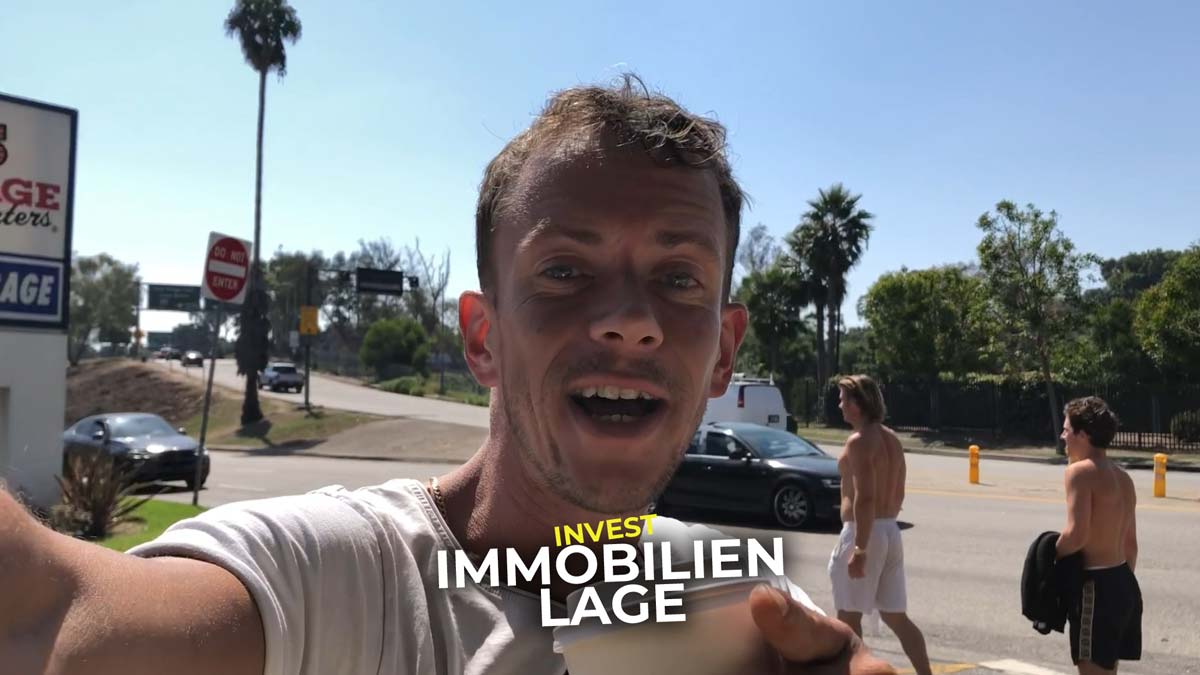
Real Estate Location Quickly Explained: Investing in A-Location, B-Location and C-Location @ Inglewood, LA - New Video

Real estate Instagram: Learn investment 1x1, investment explained in a nutshell

Real Estate TikTok: Learn investment 1x1, investment quickly, simply explained

Real Estate YouTube: Learn the capital investment 1x1, investment explained in a nutshell